Prevention
Hearing Hazards in Everyday Life
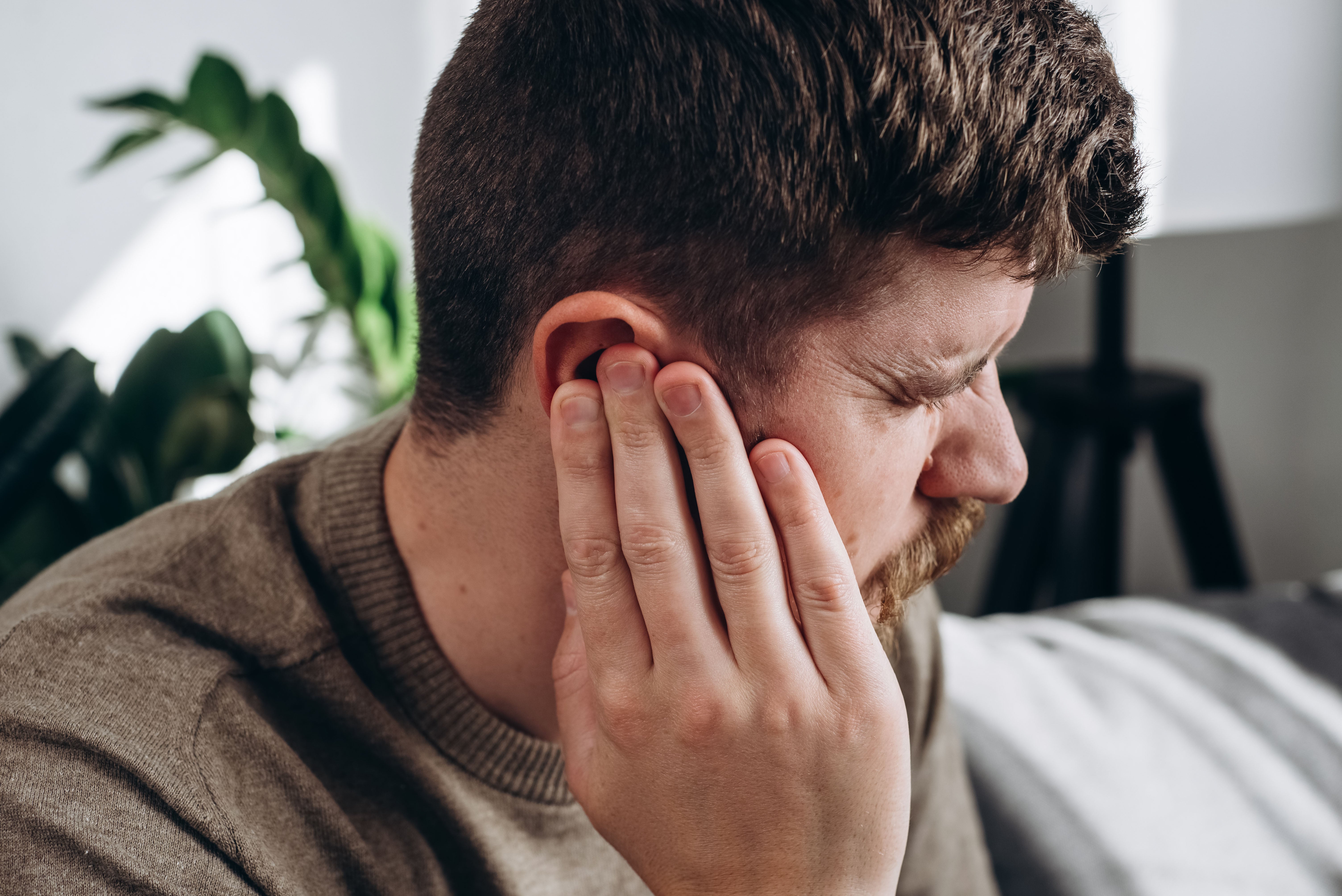
Any repeated high-volume experiences or one-time booms could damage the delicate nerve cells of your inner ear. And once damaged, these cells don't grow back. A good rule of thumb is that damage is happening if you have to shout to be heard over the racket.
Prolonged exposure to noise higher than 70 decibels (dB) can harm your hearing. Noises higher than 120 dB, even if they last only a short time, can harm your hearing right away.
Here are some everyday activities that are possible hearing hazards.
Power tools
The Occupational Safety and Health Administration (OSHA) has done a good job of setting safe noise levels in industry. Many people use ear protection at work. But they often aren't as careful at home, experts say. A motorcycle, firecrackers, and small guns all produce sound between 120 dB and 150 dB. That is enough to damage hearing.
Guns
When you fire a gun, you are exposed to very loud but short-term sound. You should wear hearing protectors even when shooting small-caliber weapons such as a 22 rifle. Long and repeated exposure to noise levels at 85 dB or higher can result in hearing loss. Gun sound levels may reach 120 dB or greater during firing. Here are some examples reported by the Centers for Disease Control and Prevention (CDC):
- 12-gauge shotgun: 154.6 to 162.7 dB
- 0.45-70 rifle: 155.2 to 159.9 dB
- 0.30-06 rifle: 158.7 to 163.1 dB
Kids' toys and portable media players
Baby toys and bike horns that are high-pitched can give off quick bursts of damaging noise when pressed or squeezed over and over again. The American Academy of Pediatrics warns parents that media players such as iPods or MP3 players can cause hearing loss. Earphones or earbuds for these items can reach a damaging noise level up to 130 dB.
Rush hour
Busy traffic and highway construction can cause ringing or a sense of fullness in the ears. These are key signs that hearing damage has happened. When highway noise gets very loud, drive with the windows up. According to the CDC, traffic sounds of 85 dB or greater for long periods of time can create lasting hearing loss.
Various sound levels in our lives (in decibels)
Compare some of these common sounds and their rank of possible harm with what your ears are open to every day:
Faint:
- 20 dB - rustling leaves
- 38 dB - whisper
- 40 dB - refrigerator humming
Moderate:
- 40 dB - quiet room
- 50 dB - average rainfall
- 60 dB - dishwasher, people talking
Loud:
- 70 dB - vacuum cleaner
- 80 dB - busy street, alarm clock
- 88 dB - motorcycle (25 feet)
Very loud:
- 90 dB - lawnmower, food blender
- 100 dB - chainsaw, snowmobile
- 110 dB - symphony orchestra
Painful:
- 120 dB - oxygen torch
- 130 dB - shotgun
- 140 dB - jet plane takeoff (near)
- 150 dB - rock concert (peak)
- 150 dB - fireworks
Reducing hearing damage
Take these steps to limit damage:
- Know which noises can cause hearing damage. Avoid these situations when possible.
- Wear ear protection when you're around loud noises. Help children use ear protection.
Be sure to talk with your doctor and have your hearing tested if you think you have hearing loss.
Author: Ignite Staff
Online Medical Reviewer: Ashutosh Kacker MD
Online Medical Reviewer: Tara Novick BSN MSN
Date Last Reviewed: 09/01/2025
© 2000-2026 The StayWell Company, LLC. All rights reserved. This information is not intended as a substitute for professional medical care. Always follow your healthcare professional's instructions.


