Syncope is also known as fainting or a blackout. It's an abrupt and short-term loss of consciousness and motor tone. It's often caused by a sudden drop in blood flow to the brain or a lack of oxygen to the brain. It's then followed by complete and often rapid spontaneous recovery. Most people don’t need follow-up treatment. However, you need treatment for certain causes, such as a heart or neurological issue. Also seek treatment if you were injured when you fainted, such as a head injury.
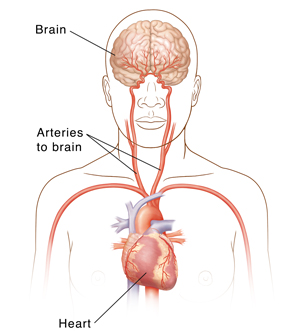
Understanding heart rate and blood pressure changes
Your brain and body need a steady flow of oxygen-rich blood. Your heart rate and blood pressure change to keep that flow steady throughout all your activities.
-
The heart makes electrical signals that move through it on pathways. These signals set the heart rate. They also tell the heart when to pump blood.
-
In response to your body’s needs, your brain may also trigger changes in your heart rate and blood pressure. Sensors in the body detect the amount of blood flow going to the brain and other parts of the body. If these sensors detect low blood flow, they signal the body to increase the amount of fluid in the blood vessels and increase the heart rate to provide more circulation.
-
The blood leaving the heart with each contraction supplies oxygen and nutrients as it flows in your brain.
Warning signs
Syncope often happens suddenly. Warning signs include:
-
Dimmed, blackened, or tunnel vision
-
Lightheadedness
-
Sleepiness
-
Rapid heartbeat
Some people may also feel nauseated or sweaty. But you may have no warning signs at all. After syncope, you get better quickly. But you may feel tired. Don't drive if you are having warning signs that you may faint.
Is it serious?
Syncope is a common problem with many possible causes. Often these causes are not serious. For instance, syncope can be caused by standing for too long or sitting up too fast. In some cases, you may never faint again. But if you have syncope with a heart problem, it can be a warning sign of a more serious problem. For this reason, your healthcare provider may order several tests to look at heart function and rhythm. If you have had syncope, talk with your healthcare provider.
In older adults, syncope may be a sign that a heart attack has happened. Don't delay seeking treatment.
Even if the cause of syncope is not serious, there is a risk of injury from falling when you lose consciousness. When possible, finding a cause can reduce this risk.



