You have a condition called heart failure. When you have heart failure, excess fluid is more likely to build up in your body because your heart isn't working well. This makes the heart work harder to pump blood. Fluid buildup causes symptoms such as shortness of breath and swelling (edema). This is often called congestive heart failure or CHF. Controlling the amount of salt (sodium) you eat may help stop fluid from building up. Your healthcare provider may also tell you to reduce the amount of fluid you drink.
Reading food labels
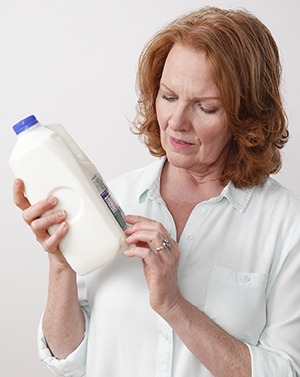
Your healthcare provider will tell you how much sodium you can eat each day. Read food labels to keep track. Keep in mind that certain foods are high in salt. These include canned, frozen, and processed foods. Check the amount of sodium in each serving. Watch out for high-sodium ingredients. These include MSG (monosodium glutamate), baking soda, and sodium phosphate.
Eating less salt
Give yourself time to get used to eating less salt. It may take a little while. Here are some tips to help:
-
Take the saltshaker off the table. Replace it with salt-free herb mixes and spices.
-
Eat fresh or plain frozen vegetables. These have much less salt than canned vegetables.
-
Choose low-sodium snacks such as sodium-free pretzels, crackers, or air-popped popcorn.
-
Don’t add salt to your food when you’re cooking. Instead, season your foods with pepper, lemon, garlic, or onion.
-
When you eat out, ask that your food be cooked without added salt.
-
Don't eat fried foods as these often have a great deal of salt.
-
Talk with your healthcare provider before using salt substitutes. They often contain potassium and may not be good for your health. This will depend on how well your kidneys are working and what medicines you’re taking. Some people need extra potassium, but others don’t.
If you’re told to limit fluids
In some cases, you may need to limit how much fluid you consume to help prevent swelling. This includes anything that is liquid at room temperature, such as ice cream and soup. If your healthcare provider tells you to limit fluid, try these tips:
-
Measure drinks in a measuring cup before you drink them. This will help you meet daily goals.
-
Chill drinks to make them more refreshing.
-
Suck on frozen lemon wedges to quench thirst.
-
Only drink when you’re thirsty.
-
Chew sugarless gum or suck on sugarless hard candy to keep your mouth moist.
-
Weigh yourself daily to know if your body's fluid content is rising.
My sodium goal
Your healthcare provider may give you a sodium goal to meet each day. This includes sodium found in food as well as salt that you add. My goal is to eat no more than ___________ mg of sodium per day.
When to call your healthcare provider
Call your provider right away if you have any symptoms of worsening heart failure. These can include:
-
Sudden weight gain
-
Increased swelling of your legs or ankles
-
Mild trouble breathing when you’re resting or at night
-
Increase in the number of pillows you have to sleep on or feeling the need to sleep upright in a chair
-
Dry hacking cough
-
No energy or feeling more tired
Call 911
Call 911 if any of these occur:
-
Chest pain
-
Pressure, discomfort, or pain in the jaw, neck, or back
-
A lot of trouble breathing, either at rest or with activity
-
Abnormally fast pulse or pounding heartbeat
-
Fainting or severe dizziness
-
Confusion or can't think clearly



