Takotsubo cardiomyopathy (TCM) is a type of heart condition. It is also known as stress-induced cardiomyopathy or broken heart syndrome. This condition causes sudden chest pain. The symptoms of TCM can be like those of a heart attack. The name "takotsubo" comes from how the heart muscle appears on an echocardiogram. The main pumping chamber becomes dilated and the muscle does not move while the base becomes constricted. Thus, it develops a narrow neck and a round bottom, making it resemble the shape of a Japanese octopus trap, or takotsubo.
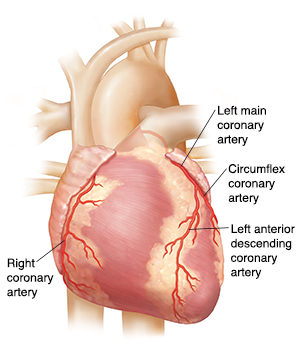
With TCM, blood flow to part of the heart is briefly blocked. This might happen if the coronary arteries have a temporary spasm. It might also occur if the smaller blood vessels of the heart don’t get enough blood. Although the symptoms of TCM may feel like a heart attack, the two conditions are different. During a heart attack, a major blockage in one of the coronary arteries from a blood clot or plaque buildup triggers symptoms. In TCM, the blockage is transient.
TCM is not very common. It most often occurs in older women. But it can happen to men and younger women.
What causes Takotsubo cardiomyopathy?
Experts are still trying to understand what causes TCM. Some think it might result from a brief spasm of the coronary arteries. Others think reduced blood flow to the smaller blood vessels of the heart may trigger it. Excess release of stress hormones such as adrenaline may play a role. Low estrogen levels, inflammation, or impaired myocardial fatty acid metabolism may also play a role.
Experts do know that intense emotions such as grief, fear, or sadness may trigger TCM. That’s why the condition is sometimes called broken heart syndrome. A sudden illness may also precede it. TCM might be triggered by:
-
The death of a loved one.
-
Domestic abuse.
-
Natural disasters.
-
A major financial loss.
-
An asthma flare.
-
Surgery.
-
Chemotherapy.
-
An accidental overdose of adrenaline.
-
An adrenaline-producing tumor.
In some cases, experts can’t pinpoint a clear cause for TCM.
You may have a higher risk for TCM if one of your family members had it. Having an anxiety disorder also seems to raise a person’s risk. Traditional risk factors for a heart attack, such as smoking, don't make you more prone to TCM.
What are the symptoms of Takotsubo cardiomyopathy?
Symptoms of TCM may seem like a heart attack. During an episode, you might have:
-
Sudden, strong chest pain (the most common symptom).
-
Shortness of breath.
-
Fainting, dizziness, or lightheadedness.
-
Neck or left arm pain.
-
Pale appearance.
-
Sudden, severe fatigue.
-
Rapid heartbeat.
-
Excessive sweating.
How is Takotsubo cardiomyopathy treated?
Since TCM may mimic an acute heart attack, it may be treated like a heart attack. This may include giving aspirin, nitroglycerin, blood thinners, and even having heart procedures to look at blood flow in the heart arteries. Part of the diagnosis for symptoms may include an echocardiogram or ultrasound of your heart and a coronary angiogram to make sure you don't have a blocked coronary artery. Blood samples will be checked to evaluate the stress on your heart.
You may need to stay in the ICU (intensive care unit) for at least 24 hours. Treatment might include:
-
Oxygen therapy to increase oxygen in your blood.
-
I.V. (intravenous) fluids if your health care provider thinks you are dehydrated.
-
Beta-blocker medicines to help aid heart recovery.
-
Angiotensin converting enzyme (ACE) inhibitor medicines to aid heart recovery.
-
Blood-thinner medicines (anticoagulants) to help prevent stroke.
-
Lipid-lowering agents.
-
Psychological therapy to address problems such as anxiety and stress.
Most people fully recover from TCM in 1 to 4 weeks. But some don't, especially if they are older in age. Short-term risks of heart failure and abnormal heart rhythm can also pose danger to people with TCM, especially early on in the disease.
When to call 911
Call



