Medicines can’t cure herpes. But they can help you feel better faster. They can also reduce the chances of passing herpes to others. Herpes medicines can control symptoms and shorten how long an outbreak lasts (episodic therapy). Some herpes medicines can reduce the number of outbreaks (suppressive therapy). Your healthcare provider will talk with you about your options and any possible side effects.
How the medicines work
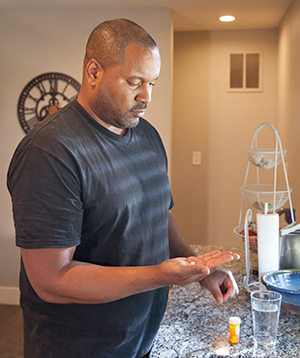
Antiviral medicines can prevent the herpes virus from copying itself and help reduce spreading it. Results may vary between people. But these medicines often help if given at the right times and used as directed. Take each medicine exactly as prescribed. Options include:
-
Main treatment for the first (or primary) outbreak. Medicine may be taken for up to 14 days. If needed, it may be taken longer.
-
Episodic therapy, for occasional outbreaks. You take medicine for 3 to 7 days each time you have symptoms. This can reduce your symptoms and the length of the outbreak. It's important to take the medicine as soon as symptoms of a new outbreak start.
-
Suppressive therapy, for frequent outbreaks. This daily medicine can reduce the number of outbreaks you have. In some cases, suppressive therapy prevents all outbreaks. It also greatly reduces the risk of giving the virus to others.
Types of medicines
There are several types of herpes medicines. They are all antivirals: acylovir, famciclovir, or valacyclovir. Your options depend on how often you have symptoms and how severe they are.
-
Oral medicines come in pill form. Oral medicines are the most common. They are used to treat genital herpes. They are used for both first and repeat infections. They are also sometimes used for oral herpes.
-
Topical medicines come in ointment form. These can be used during outbreaks of oral herpes. But they often do not work as well as the oral herpes medicines.
-
IV (intravenous) medicines. These are sometimes used to treat severe herpes in infants, older adults, or people with weak immune systems.



