Dismiss Modal

Symptoms

Lung Cancer: Symptoms

Choose a preferred language


What are the symptoms of lung cancer?

Lung cancer often doesn't cause symptoms in its early stages. This is when it's small and hasn't spread. In fact, many lung cancers don't cause symptoms until they've already spread. 

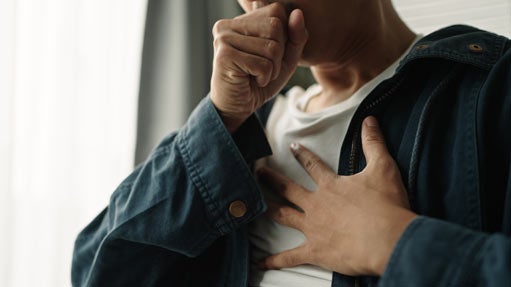
When lung cancer does cause symptoms, they’re often like those you might have anyway if you smoke. For example, some early symptoms of lung cancer include shortness of breath and coughing.

These are some of the more common symptoms of lung cancer:

  • Cough that doesn’t go away or gets worse over time

  • Chest pain, which might be worse when coughing or breathing in deeply

  • Coughing up blood or rust-colored mucus

  • Shortness of breath

  • Hoarseness

  • Wheezing

  • Appetite loss

  • Unexpected weight loss

  • Feeling tired or weak

  • Pneumonia or bronchitis occurring more than normal for you

Some symptoms can be caused by lung cancer spreading to other parts of the body:

  • Trouble breathing that's getting worse

  • Bone pain

  • Belly or back pain

  • Yellowing of skin and eyes (jaundice)

  • Headache, seizures, or confusion

  • Weakness or numbness in an arm or leg

  • Enlarged lymph nodes in the neck

  • Drooping eyelid

  • Problems talking


When to see your healthcare provider

Many of these symptoms can be caused by other health problems. It's important to see your healthcare provider for an accurate diagnosis if you have these symptoms. Only a healthcare provider can tell if you have lung cancer. 

Featured in

© 2025 The StayWell Company, LLC. All rights reserved. This information is not intended as a substitute for professional medical care. Always follow your healthcare provider's instructions.

Make an Appointment

Make an Appointment

Find a Doctor

Find a Doctor

Find a Location

Find a Location
Related Articles
Read article
Lung Health
Lung Cancer: Managing Shortness of Breath

Dyspnea is the technical word for difficulty breathing. It's a common symptom in people who have lung cancer or have cancer that has spread to the lungs.

Read article
Lung Health
Lung Cancer: Treatment Choices

Lung cancer can be treated in several ways. Which treatment may work best for you? It depends on a number of things. These include the type, size, location, and stage of your cancer.

Read article
Lung Health
Understanding a Low-Dose CT Scan for Lung Cancer Screening

Low-dose CT scans for cancer screening can reduce the risk of dying from lung cancer for those at high risk.

Read article
Lung Health
Discharge Instructions After Treatment for Lung Cancer

You have been diagnosed with lung cancer, the abnormal and uncontrolled growth of cells in the lung. Treatment for lung cancer may include surgery, chemotherapy (or other medicines), radiation therapy, or a combination of these. This sheet helps you remember how to care for yourself after treatment.


