Dismiss Modal

Management

Grief and Loss

Choose a preferred language

Losing someone you care about is painful. Grief is the emotional reaction that follows. It’s a normal process. It has both physical and emotional signs. But even with major life changes, such as the loss of a spouse or parent, you can face the loss and move on.
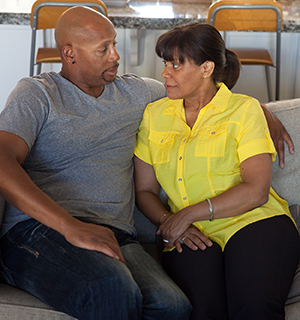
Man with arm around woman on couch.


Grief takes many forms

Each person will have their own grief process. Over time, grief should slowly help you adapt to the loss. These normal grief reactions are common:

  • Not wanting to believe the loss is real

  • Feeling emotional numbness or shock

  • Feeling annoyed or outright angry at the loved one who died

  • Thinking you could have done something to stop the loss

  • Feeling sad or hopeless

  • Loss of appetite and sleep

  • Loss of interest in things you used to enjoy

Normal grief often doesn't need to be treated. You'll slowly start feeling more adjusted to your new life. You will usually have adaptation within 6 to 12 months of the loss, but there are no rules. Each person is unique. The grief tends to become more subdued with time, but it is still present. In some cases, grief lasts a long time or is more severe. This may need to be treated with talk therapy. So may depression that's linked to grief. If you are concerned about your grief, talk with your healthcare provider about individual counseling, family counseling, or grief support groups.


© 2000-2025 The StayWell Company, LLC. All rights reserved. This information is not intended as a substitute for professional medical care. Always follow your healthcare professional's instructions.

Make an Appointment

Make an Appointment

Find a Doctor

Find a Doctor

Find a Location

Find a Location

Related Services

Behavioral Health

Related Articles
Read article
Mental Health
Helping Yourself Through Grief and Loss

You may find yourself asking: “Why?” It’s normal to seek meaning by asking questions, but there’s not always an answer for loss. With time, your loss may still be part of your life, but not the only thing in it. Here is information to help you through grief and loss.

Read article
Mental Health
Grief Reaction

Grief is the feeling that we all have when we lose someone or something that has been important in our life. Learn about how to care for yourself and how to get help.

Read article
Heart Health
Discharge Instructions: Caring for Your Central Line

You are going home with a central line. This is a tube put in a vein that leads to your heart. It provides medicine during your treatment. Because a central line has a high infection risk, you must take extra care. This sheet will help you remember what to do at home.

Read article
Oncology
Understanding Radiation Therapy

Radiation therapy is a common cancer treatment. It uses beams of high-energy X-rays or particles to kill cancer cells or keep them from growing.

