Panic disorder is a type of anxiety disorder characterized by panic attacks. A panic attack is a sudden, intense fear that lasts for several minutes when there is no real danger present. It's accompanied by terror, severe physical symptoms, and a strong need to escape wherever you are. If you have panic disorder, your healthcare provider may prescribe one or more medicines for treatment. Common medicines are described below.
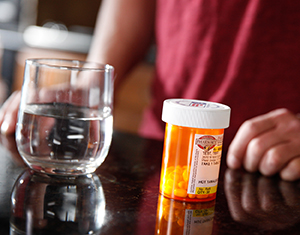
Types of medicines
Medicines to treat panic disorder include:
-
Anti-anxiety medicine. This medicine relieves symptoms and helps you relax. Your healthcare provider will explain when and how to use it. It may be prescribed for use before entering a situation that makes you anxious. Or you may be told to take it on a regular schedule. Anti-anxiety medicine may make you feel a little sleepy or out of it. Don't drive a car or operate machinery while on this medicine, until you know how it affects you.
-
Antidepressant medicine. This kind of medicine is often used to treat anxiety, even if you aren't depressed. An antidepressant balances brain chemicals. This helps keep anxiety under control. This medicine is taken on a schedule. It takes a few weeks to start working. If you don't notice a change at first, you may just need more time. But if you don't notice results after the first few weeks, tell your healthcare provider.
Tips for taking medicines
Never change your dosage or stop taking your medicines without talking to your healthcare provider first. Never share your medicine or use someone else’s medicine, even if it's the same medicine and dosage. Keep the following in mind:
-
Some medicines must be taken on a schedule. Make this part of a daily routine. For instance, always take your pill before brushing your teeth. A pillbox can help you remember if you've taken your medicine each day.
-
Medicines are often taken for 6 to 12 months. Your healthcare provider will then evaluate whether you need to stay on them. Many people who have also had therapy may no longer need medicine to manage anxiety.
-
You may need to stop taking medicine slowly. This will give your body time to adjust. When it's time to stop, your healthcare provider will tell you more.
-
If symptoms return, you may need to start taking medicines again. This isn't your fault. It's just the nature of your anxiety disorder.
Special concerns
-
Side effects. Medicines may cause side effects. Ask your healthcare provider or pharmacist what you can expect. They may have ideas for preventing some side effects. You can also check the package insert to learn more about side effects. Ask your pharmacist about interactions with other medicines. These include over-the-counter medicines, and alcohol.
-
Sexual problems. Some antidepressants can affect your desire for sex or your ability to have regular orgasms. A change in dosage or medicine often solves the problem. If you have a sexual side effect that concerns you, tell your healthcare provider.
-
Addiction. Antidepressants are not addictive. And if you've never had a problem with drugs or alcohol, you likely won't have a problem with anti-anxiety medicine. But if you have a history of addiction, you may need to avoid this medicine. Let your healthcare provider know if you have an addiction history.



