Anxiety can fill you with worry and fear. Sometimes anxiety is OK. It can alert you to a real threat. It can get you to respond and take action. But for some people, anxiety gets so bad it causes problems in daily life. If you feel in a nearly constant state of anxiety, you may have generalized anxiety disorder (GAD). Speak with your healthcare provider or a mental health care provider to learn more. They can help.
What is generalized anxiety disorder?
GAD means that you worry all the time and can’t control it. Healthcare providers diagnose GAD when a person worries on most days of the week for at least 6 months.
With GAD, you might worry about money, your family and friends, or work. You might worry about the world in general. You might not even be sure what you're anxious about. But you have an intense fear that the worst will happen. These feelings never really go away. In people age 65 and older, GAD is a common anxiety disorder. It often occurs with depression. This constant worry affects quality of life. It makes it hard to function. GAD can cause physical symptoms, too.
What are common symptoms of generalized anxiety disorder?
People with GAD often feel they have a physical illness. The disorder can cause symptoms such as:
-
Muscle tension, especially in the neck and shoulders
-
Nausea and stomach problems
-
Frequent headaches
-
Feeling lightheaded
-
Restlessness, trouble sleeping
-
Feeling irritable and on edge all the time
How can generalized anxiety disorder be treated?
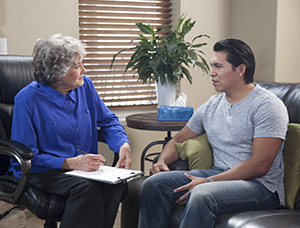
GAD can be treated with medicine. It can be treated with talk therapy (counseling). It may be treated with both. Medicine helps to reduce symptoms so you can do your daily tasks. Therapy helps you understand the cause of your anxiety and learn how to manage it. Both forms of treatment help you deal with problems that anxiety causes in your life. This will help you feel better.
How daily issues affect your health
Many things in your daily life impact your health. This can include transportation, money problems, housing, access to food, and child care. If you can’t get to medical appointments, you may not receive the care you need. When money is tight, it may be difficult to pay for medicines. And living far from a grocery store can make it hard to buy healthy food.
If you have concerns in any of these or other areas, talk with your healthcare team. They may know of local resources to assist you. Or they may have a staff person who can help.



