Related Conditions
Pregnancy and Oral Health
During your pregnancy, you may worry about your waistline and fret about food. You take prenatal vitamins, see your healthcare provider often, get regular exercise, and stay away from alcohol and smoking—all in the name of a healthy pregnancy.And, ultimately, a healthy baby.
Something that you might not think is part of a healthy pregnancy is dental care. But regular dental checkups and cleanings, along with brushing and flossing often, are important for a healthy mouth and a healthy pregnancy.
Seeing the dentist
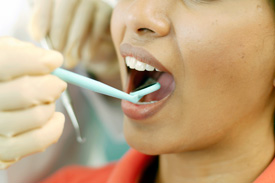
Pregnant or not, you should be seeing your dentist every 6 months for a cleaning and exam. While you're pregnant, it's even more important that you don't skip those twice-yearly visits. Regular exams can help prevent and control gum disease and infections.
Pregnancy hormones can cause oral health problems. These include gingivitis and swollen, bleeding, and irritated gums. Gums may also be very sore. And brushing and flossing may be uncomfortable. If you have gum disease or have problems with your teeth or gums during pregnancy, see your dentist. They may suggest that you schedule cleanings more often during the second and third trimesters.
The X-ray risk
The use of X-rays, pain medicine, and local anesthesia when needed to correctly diagnose and treat dental problems is safe during pregnancy. X-rays are often part of a routine dental exam. But your dentist may skip them until after you've had your baby.
If you have a dental emergency and need X-rays, keep in mind that the amount of radiation given off from a single X-ray is quite low. Your dentist will protect your baby by covering you with a lead apron.
Maintaining a healthy mouth
In addition to regularly scheduled dental cleanings and exams, correct dental care at home can help protect gums and teeth from disease and decay. Brush teeth thoroughly twice a day using a toothpaste containing fluoride. At least once a day, carefully floss between each tooth.
It's also important not to give in too often to those pregnancy cravings if you have a sweet tooth. Try to limit your intake of sugary, sticky, sweet treats. Instead choose crunchy fresh fruits and vegetables and other nutritious foods that are less likely to cause tooth decay. If you do treat yourself to dessert, make sure to brush and floss soon afterward to prevent tooth decay.
Protecting baby's teeth
Your prenatal trips to the dentist are also a great time to talk about the best ways to care for your new baby's teeth. Ask your dentist how and when to start brushing your baby's teeth and gums. Also ask about staying away from habits that can spread bacteria to baby's mouth. For instance, don't put a pacifier, spoon, or bottle nipple in your mouth to clean it. Also ask what you can do as your baby grows to help reduce the risk for cavities, tooth decay, and gum disease. This will help your baby's dental health as those first tiny teeth break through.
Featured in
Author: Rodriguez, Diana
Online Medical Reviewer: Janet Campbell RN BSN
Online Medical Reviewer: Robyn Zercher FNP
Date Last Reviewed: 02/01/2023
© 2000-2026 The StayWell Company, LLC. All rights reserved. This information is not intended as a substitute for professional medical care. Always follow your healthcare professional's instructions.


