Take steps ahead of time to make recovery easier and safe. Make a few simple changes around the house. Also arrange for someone to help you for a couple of weeks after your hip replacement. Before surgery, your surgeon may talk with you about ways to manage blood loss. You may also be told to see your primary doctor and your dentist. Treating health and dental problems now may improve healing after a joint replacement. If you’re a smoker, do your best to stop or cut down. Smoking can delay healing and cause other problems.
Prepare at home
Here are some suggestions:
-
Make and freeze meals before your surgery. Or stock up on ready-made or frozen foods.
-
Store all supplies and items that you use regularly at arm level.
-
Prepare a room on the main living level if you usually sleep upstairs. Or set things up so you have to go upstairs only once a day.
-
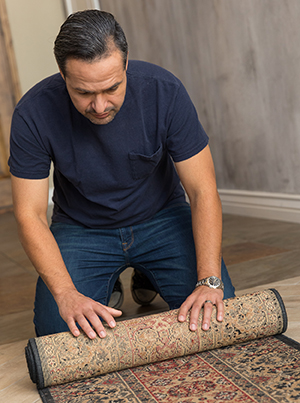
Pick up clutter and remove throw rugs, electrical cords, and other trip hazards from areas where you will need to walk.
-
Place items you use frequently in easy reach, such as the TV remote, phone, medicine, eyeglasses, tissues, and wastebasket.
Use special equipment
Special equipment may help you have a safer and easier recovery. If pre-op training is offered, try using the devices before surgery. Some of the most helpful equipment is listed below:
-
An elevated toilet seat
-
A shower seat
-
Handrails and grab bars to help you steady yourself, especially when getting in and out of the tub
-
A grasping device to pull on socks and shoes
-
A walker or cane
See your doctor
Expect the following:
-
You are likely to have lab or blood tests. You also may have an ECG (electrocardiogram). A chest X-ray may also be taken.
-
Your doctor will talk with you about health problems, such as diabetes and high blood pressure, which need to be controlled before surgery.
-
Work with your doctor to clear up any infections before surgery. Doing so helps give you a chance for a better recovery.
-
For your best recovery, you’ll be told to take care of yourself ahead of time. Maintain correct nutrition and reduce alcohol intake.
-
If you smoke, quit before surgery if possible. This may improve healing and reduce complications after joint replacement.
Discuss your medicines
Tell your surgeon about all the medicines you take. This includes herbs and supplements, as well as prescription and over-the-counter medicines. Some medicines don’t go well with anesthesia. Others, such as aspirin, blood thinners, and ibuprofen, increase bleeding. To prevent problems during surgery, you may need to stop taking certain medicines before hip replacement.
Finish dental work
Have any tooth or gum problems treated before surgery. Also finish any dental work that may be under way. If you don’t, germs in your mouth could enter the bloodstream and infect the new joint. This could delay your recovery. In an extreme case, infection in the new joint might mean that the prosthesis would have to be removed.
Featured in



