Your loved one has been admitted to the intensive care unit (ICU). The ICU provides specialized treatments and care from a team of experts.
The intensive care unit (ICU)
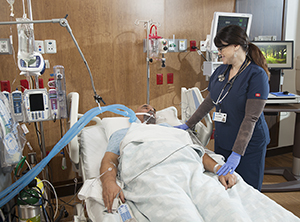
The intensive care unit (ICU) is also sometimes called the critical care unit (CCU). Here people get constant care and are closely watched. Some hospitals may have more than one type of ICU. These may include a medical, surgical, cardiac, neurological, neonatal, or pediatric ICU. A person may stay in the ICU a day, a week, or longer.
A team effort
The people caring for your loved one work as a team. But each one has special knowledge and skills. Healthcare providers plan your loved one’s care. An intensivist is a medical doctor with advanced training in the care of critically ill people. An ICU intensivist is usually an expert in surgery, internal medicine, pediatrics, or anesthesiology
ICU nurses are highly skilled clinicians who provide all aspects of the critically ill patient's care. They do most of the hands-on care, and monitoring. They also communicate the patient's wishes and concerns to other team members. ICUs have a higher nurse to patient ratio than other parts of the hospital. Others who may be on the healthcare team are listed below:
-
Respiratory therapists help with breathing problems, oxygen therapy, and ventilator support.
-
Physical therapists help with exercises and movements to improve strength, flexibility, and restore function of the body.
-
Occupational therapists work with people in the ICU to relearn life skills. These include grooming, dressing, and feeding to live as independently as possible.
-
Dietitians give advice about special eating concerns and nutrition.
-
Social workers and case managers help the patient and family with financial concerns, resources, and insurance.
-
Clergy, such as a priest, minister, imam, or rabbi, offer spiritual support to patients and family.
-
Other support staff help with tasks, such as drawing blood, taking X-rays, moving people, or serving meals.



