A break in the skin is an open door, inviting dirt and germs to enter your body and cause infection.
Step 1. Control bleeding
-
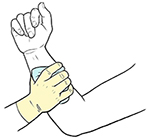
Apply direct pressure for at least 5 minutes.
-
Raise the area till the bleeding stops.
Step 2. Clean and cover
-
Always wash your hands before touching the wound.
-
Cleaning the wound:
-
Wash the scrape or cut with soap and water to kill germs and remove dirt and foreign objects.
-
Prevent getting soap into the wound.
-
-
Apply a thin layer of topical antibiotic ointment to minor cuts and scrapes that don't need medical attention (see below). Do this only if there are no known allergies to the ointment.
-
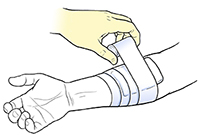
Cover the wound with a clean gauze dressing to reduce the risk of infection and further injury. Keep the dressing in place with a gauze or cloth bandage.
-
Don't tie or tape the bandage too tight.
When to contact the doctor
Call the doctor or get medical care right away if any of the following is true:
-
The wound covers a large area or is deep.
-
It is difficult to remove the debris from the wound.
-
The injury is on the face or any other area where scarring is a concern.
-
The person needs protection against tetanus. This is a disease caused by bacteria that may enter any break in the skin and bring on a life-threatening illness called lockjaw. A tetanus booster shot (injection) may be needed if it's been more than 5 years since the last tetanus vaccine.
Call 911
Call
-
Uncontrollable bleeding (continue to control bleeding with direct pressure).
-
Shock symptoms, which can include:
-
Pale or clammy skin.
-
A gray or bluish tinge to lips or fingernails.
-
A pulse that is so light or races so fast that you can't count the beats.
-
Rapid breathing.
-
Enlarged pupils.
-
The person is confused or unable to concentrate or stares blankly. Over time, the person may even become unconscious.
-
-
A detached body part:
-
Wrap all pieces of the detached part in a sterile gauze, or a damp paper towel or washcloth. Put them in a sealed, dry plastic bag or other container first. Do not place the part directly in water.
-
Then put the bag or container in another bag or container with ice or cold water to improve chances for reattachment. Dry ice should not be used.
-
Send the parts to the hospital along with the person.
-



