Don’t keep medicines that you no longer use. Get rid of them safely as soon as you can. It’s important to safely dispose of unused, expired, damaged, or unwanted medicines right away. This can save lives.
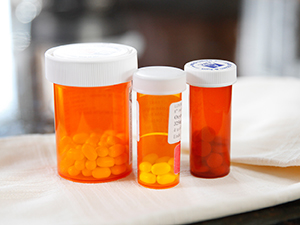
Don't save medicines
Don’t save medicines for later use. You might get confused and take the wrong one or the wrong dose.
And, unused prescription medicines can find their way into the wrong hands. This can lead to poisoning, misuse, and overdose. This is even more a risk with dangerous opioid pills and patches.
Find a community take-back program
Many places have a National Take Back Day. This is sponsored by the Drug Enforcement Agency (DEA). This program offers a safe way to dispose of prescription medicines.
Some pharmacies or local law enforcement may offer take-back programs. If there is a take-back program in your area, take your medicines to the drop-off right away. Don’t let them sit in your house. Check these websites to learn more:
Getting rid of medicines at home
You may be able to safely dispose of prescription medicines at home if your area has no take-back program.
Check the package insert. See if it has instructions for how to get rid of unused medicine. If there are no instructions, you may be able to flush it (see below). Or, you can put it in the trash.
Can you flush it?
Some medicines could be harmful or fatal with just 1 dose if used by the wrong person. These medicines should be flushed down the toilet. The FDA says the risk of harm to people from contact with some medicines outweighs any risk to the water supply.
Search the flush list at the FDA website. You can find out if your medicine is OK to flush.
Some areas may have laws against flushing medicines down the toilet. Make sure you follow your local laws and regulations about this. Check with your septic company if you are on a septic system.
How to put medicines in the trash
If your medicine is not on the FDA flush list, you can put it in the trash. Follow these safety tips from the FDA:
-
Mix medicine with a substance that is not edible. For example, put dirt, cat litter, or coffee grounds into liquid medicine. Mix pills into liquid soap. Don’t crush or open the pills.
-
Place the mixture in a container such as a sealed plastic bag.
-
Put the container in your trash at home.
-
Remove all personal information on the prescription label of empty medicine bottles and packages. Then trash or recycle the empty bottle or package.
Inhaler disposal
Many take-back programs don’t accept asthma inhalers. Inhalers can be dangerous if punctured or thrown into a fire or incinerator. For this reason, the FDA says to follow the instructions on the label of your inhaler. Or you can check with your local trash and recycling facility. They can tell you how to dispose of inhalers.
Featured in



