Migraines and cluster headaches cause intense, throbbing pain on one side of the head. With a migraine, you may have nausea and vomiting and be sensitive to light and sound. You may also have warning signs, such as flashing lights or loss of parts of your vision, before the pain starts. This is called an aura. Migraines are 3 times more common in females than males. This may be due to hormonal influences. Typical migraines may last for 4 to 72 hours if untreated.
Cluster headaches recur in groups for days, weeks, or months. The pain is centered around or behind one eye. The eye may also become red or teary, or the eyelid may droop. Migraines and cluster headaches can have many triggers.
Preventing migraines and cluster headaches
Try the following steps:
- Don't eat aged cheeses, nuts, beans, chocolate, red wine, or foods that contain caffeine, alcohol, tobacco, nitrates, and MSG.
- Using a headache diary may help identify headache triggers.
- Don't skip meals.
- Don't work in poor lighting or strain your eyes.
- Reduce stress as much as you can.
- Get plenty of sleep each night and try to maintain a regular sleep pattern.
- Exercise regularly under your doctor's guidance.
- Don't take certain prescription medicines that are known to cause rebound headaches.
Relieving the pain
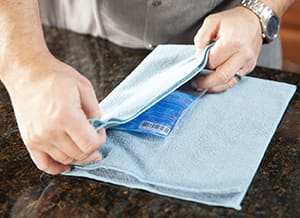
Try these suggestions:
- Stay quiet and rest.
- Use cold to numb the pain. Wrap ice or a cold can of soda in a cloth. Hold it against the site of the pain for 10 minutes. Repeat every 20 minutes.
- Stay out of the light. Wear dark glasses, turn out lights, and close the curtains. When outdoors, wear a brimmed hat.
- Drink lots of fluids. Sipping caffeine-free flat soda can help relieve nausea.
- See your doctor if you get migraines or cluster headaches often. There are effective medicines to help treat or prevent them.
- Hormone therapy may help if your migraines are linked to hormonal changes during menstruation.
Online Medical Reviewer: Anne Fetterman RN BSN
Online Medical Reviewer: Joseph Campellone MD
Online Medical Reviewer: Raymond Kent Turley BSN MSN RN
Date Last Reviewed: 09/01/2025
© 2000-2026 The StayWell Company, LLC. All rights reserved. This information is not intended as a substitute for professional medical care. Always follow your healthcare professional's instructions.


