Being active can help prevent a stroke. It is good for your heart. And it lowers high blood pressure. It helps you to keep doing basic self-care tasks, like bathing and dressing. Moving around also helps you recover skills lost from the stroke. Try to be active for at least 30 minutes each day. You don't have to go to a gym. Find things that fit your lifestyle and abilities. If it is hard for you to move around, your doctor may have you go to physical therapy. A physical therapist can help you with your activity goals. And they can give you an exercise plan. Low- to moderate-intensity aerobic activity can help you get better. Activities that strengthen your muscles can also help.
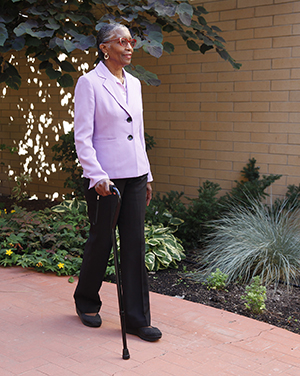
Ways to get moving
After a stroke, you may not be able to do everything you used to. But there are still simple ways you can stay active:
-
Rake leaves or work in the garden.
-
Play with children or grandchildren.
-
Work on a hobby.
-
Park farther away from building entrances and walk.
-
Sweep or vacuum your living space.
-
Use the stairs instead of the elevator. If walking up stairs is too hard, you can start by walking down.
-
If walking is hard, try stretching exercises or swimming.
Walk every day
Walking is great exercise. It’s free, easy, and all you need is a good pair of shoes. Start with short walks. Then go a little farther each week. The tips below can help:
-
Warm up. Start off with a few minutes of strolling. Then walk at a brisker pace.
-
Walk every chance you get. Walk to do errands, for fun, or to visit friends. Visit a local park or explore your neighborhood.
-
Take a friend along. Having company can make it more fun.
-
Walk farther each week. Try walking a little farther or longer each week. You may be surprised by how fast you improve!
When to stop
If you’re new to exercising, it’s normal to feel a little sore afterward. But you should stop right away if you:
-
Have trouble breathing.
-
Feel dizzy or extremely tired.
-
Have sharp pain.
Stick with it
Some days it may seem hard to be active. Plan ways to keep going anyway. Your health and life are at stake. Make a list of things that might keep you from exercising. Then write down what you can do to get around those things.
For family and friends
It’s much easier for your loved one to be active when you join in. Try these tips:
-
Go for walks together.
-
Ask your loved one to join in during activities such as making dinner.
-
If they start making excuses, suggest ways to overcome the roadblocks.
-
Cheer every improvement!
Online Medical Reviewer: Anne Fetterman RN BSN
Online Medical Reviewer: Mary Mancini MD
Online Medical Reviewer: Raymond Kent Turley BSN MSN RN
Date Last Reviewed: 05/01/2025
© 2000-2026 The StayWell Company, LLC. All rights reserved. This information is not intended as a substitute for professional medical care. Always follow your healthcare professional's instructions.


