Treatment of a spinal cord injury starts at the place of the accident. It continues in the emergency room (ER). The injured person will then be admitted to the hospital. Or they will be moved to a spinal cord injury treatment center.
Treatment
First, the injury is stabilized. This is done with surgery, bracing, or both. These procedures can be vital in treating spinal cord injury:
-
Relief of pressure on the spine. This is done using surgery or traction. Traction is a mechanical system of using weights to relieve pressure on the nerves.
-
Treatment to stabilize the spine. Screws, metal plates, and other devices may be placed during surgery to stabilize the injury. In some cases, traction or a brace may be used instead.
Rehabilitation
After the injury is stable, supportive care and rehabilitation (rehab) are the goals. Supportive care helps prevent other health problems. Health problems may include skin sores. Rehab supports a person’s emotional and physical recovery. A few members of the rehab team include:
-
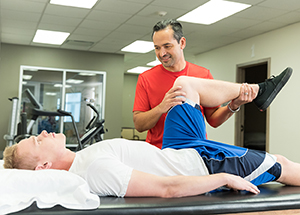
Physical therapy (PT). This supports strength and movement in muscles and joints. It may help some people with spinal cord injury regain some function.
-
Occupational therapy (OT). This helps people regain their ability to take care of themselves. It involves feeding, dressing, and bathing.
-
Counseling. Spinal cord injury can have lifelong (permanent) effects. Counseling helps the injured person and their family cope and adjust.
Outlook for the future
It was once believed that damaged nerve cells couldn’t be repaired. But recent studies show this may not be true. Now, scientists are searching for ways to regrow injured nerves. The outlook for people with spinal cord injury is better today than ever before.
Online Medical Reviewer: Mahammad Juber MD
Online Medical Reviewer: Marianne Fraser MSN RN
Online Medical Reviewer: Rita Sather RN
Date Last Reviewed: 12/01/2024
© 2000-2026 The StayWell Company, LLC. All rights reserved. This information is not intended as a substitute for professional medical care. Always follow your healthcare professional's instructions.


