What is a Rathke cleft cyst?
A Rathke cleft cyst (RCC) is a noncancer (benign) fluid-filled growth that develops between the parts of the pituitary gland at the base of the brain. It's a congenital deformity. This means that it develops while a baby is growing in the uterus. An RCC develops from a remnant piece of the baby's growing Rathke pouch, which becomes part of the pituitary gland.
An RCC is rare. And it rarely causes symptoms or problems during childhood, so it's not usually diagnosed in kids unless symptoms have developed. An RCC is most often found in adults during an MRI scan to diagnose another problem. It can also be found even after death, if an autopsy is done. Females are more likely to develop this condition than males.
If an RCC becomes large enough, it can cause vision changes or problems with hormones due to pressing on the pituitary gland.
What causes a Rathke cleft cyst?
An RCC is thought to occur very early in the fetal development when the inside of the Rathke pouch does not go away as it normally does. This leaves a space that can fill with fluid and grow over time. There are no known outside causes of an RCC.
What are the symptoms of a Rathke cleft cyst?
An RCC grows in a small space at the base of the brain. It can press on the nerves leading from the eyes to the brain, which can cause vision changes. The most common symptoms include:
- Vision changes
- Frequent headaches
- Nausea
- Feelings of drowsiness or fatigue
- Changes in personality or behavior, including confusion
The cyst can also press on the pituitary gland, which can affect the levels of hormones secreted by this gland. This can cause symptoms at different stages of life, such as:
- Lack of growth or late puberty in children
- Irregular or absent menstruation
- Production and leaking of milk from the breasts that is not related to pregnancy or childbirth
- Low blood pressure
- Digestive issues, such as constipation
- Low or no libido
- Feelings of extreme thirst and constant urination
- Obesity
- Unusually dry skin
- Difficulty regulating body temperature
How is a Rathke cleft cyst diagnosed?
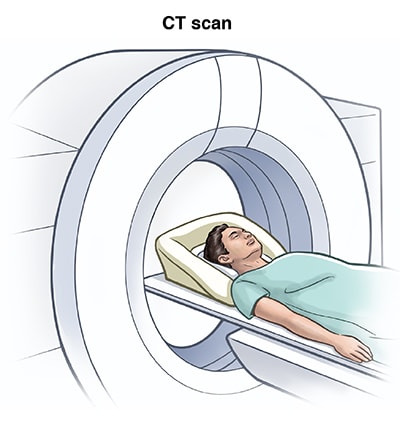
An RCC is typically diagnosed with an MRI or CT scan of the brain. An RCC may sometimes first be misdiagnosed as a pituitary gland tumor.
Blood tests to check hormone levels and exams to check vision might also be done.
How is a Rathke cleft cyst treated?
The treatment of an RCC depends on the symptoms. A small RCC that doesn't cause any symptoms doesn't need treatment. A larger RCC that is causing symptoms may need surgery. This could include draining and removal of the cyst.
What are possible complications of a Rathke cleft cyst?
Without treatment, an RCC can continue to cause problems with pituitary gland function and issues with weight, hormones, and vision. Proper diagnosis and treatment can relieve symptoms and restore healthy pituitary function.
Key points about a Rathke cleft cyst
- A Rathke cleft cyst (RCC) is a noncancer fluid-filled growth. It develops between the parts of the pituitary gland at the base of the brain.
- It's a congenital deformity. This means that it develops while a baby is growing in the uterus.
- Although it's not cancer, an RCC can be mistaken for a tumor.
- A small RCC that doesn't cause any symptoms doesn't need treatment.
- An RCC needs treatment (usually surgery) if it interferes with vision or with the normal function of the pituitary gland.
Next steps
Tips to help you get the most from a visit to your doctor:
- Know the reason for your visit and what you want to happen.
- Before your visit, write down questions you want answered.
- Bring someone with you to help you ask questions and remember what your doctor tells you.
- At the visit, write down the name of a new diagnosis and any new medicines, treatments, or tests. Also write down any new instructions your doctor gives you.
- Know why a new medicine or treatment is prescribed and how it will help you. Also know what the side effects are and when they should be reported.
- Ask if your condition can be treated in other ways.
- Know why a test or procedure is recommended and what the results could mean.
- Know what to expect if you do not take the medicine or have the test or procedure.
- If you have a follow-up appointment, write down the date, time, and purpose for that visit.
- Know how you can contact your doctor if you have questions, including after office hours and on weekends and holidays.
Date Last Reviewed: 02/01/2024
© 2000-2026 The StayWell Company, LLC. All rights reserved. This information is not intended as a substitute for professional medical care. Always follow your healthcare professional's instructions.


