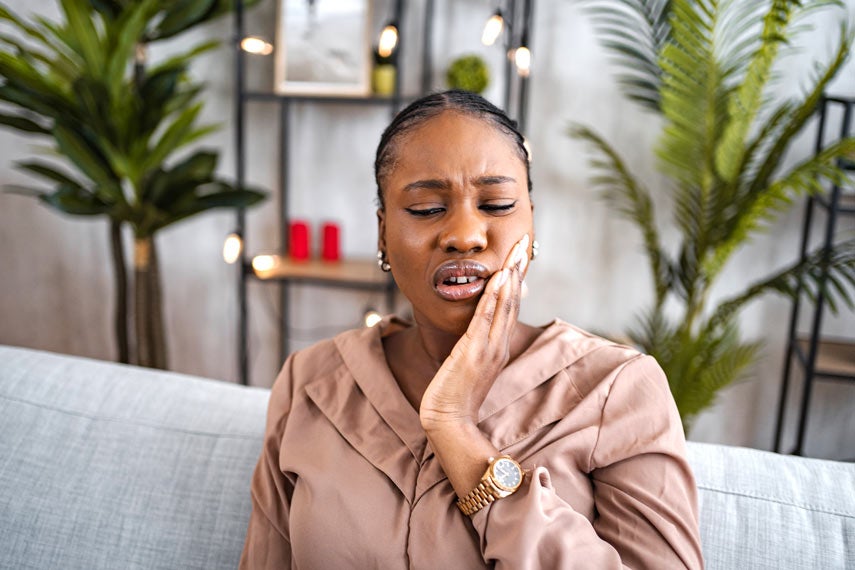
What is tooth decay (caries or cavities)?
Tooth decay is the disease known as caries or cavities. It's caused by certain bacteria in the mouth that thrive on sugars and refined carbohydrates and make acids as a side effect. The acids attach to the hard outer layer of your tooth (enamel) first. The acids eventually penetrate into the tooth to the softer mineral inside the tooth (dentin). If not treated, the tooth decay can destroy large areas of the tooth and infect the nerve (pulp) and blood vessels at the center of the tooth. In older adults, exposed root surfaces are also at risk for decay. Tooth decay is a highly preventable disease with many contributing factors.
Who is at risk for tooth decay?
Everyone who has teeth is at risk for tooth decay. We all host bacteria in our mouths, which makes everyone a potential target for cavities. Risk factors that increase the risk for tooth decay include:
-
A diet high in sweets, refined carbohydrates, and sugars.
-
Living in communities with limited or no fluoridated water supplies.
-
Poor oral hygiene.
-
Reduced flow of saliva.
-
Being a child.
-
Being an older adult.
Preventing tooth decay
Preventing tooth decay and cavities involves 7 simple steps:
-
Brush your teeth and tongue twice a day, for at least 2 minutes at a time with a fluoridated toothpaste. Brushing with fluoride toothpaste should start when a child gets their first tooth. Use only a very small amount, about the size of a grain of rice.
-
Floss your teeth daily. Make sure to floss below the gums.
-
Eat a well-balanced diet and limit or eliminate sugary snacks and drinks.
-
Consult your health care provider or dentist about supplemental use of fluoride or dental sealants to protect family members' teeth.
-
Ask about fluoride varnish, which can be applied to teeth every 3 to 6 months.
-
Schedule routine dental cleanings and exams every 6 months for yourself and your family.
-
Stay well hydrated by drinking enough water.
Online Medical Reviewer: Jessica Gotwals RN BSN MPH
Online Medical Reviewer: Michael Kapner MD
Online Medical Reviewer: Rita Sather RN
Date Last Reviewed: 03/01/2025
© 2000-2026 The StayWell Company, LLC. All rights reserved. This information is not intended as a substitute for professional medical care. Always follow your healthcare professional's instructions.


