Iritis is the inflammation of the iris. This is the colored part of the eye. Iritis causes pain, sensitivity to light, redness, and other problems. It can lead to severe eyesight loss and even blindness.
Types of treatment
Treatment depends on what is causing your iritis and how severe it is. Treatment should be done quickly to prevent damage to the eyes. The main goal is to reduce inflammation and pain and prevent complications. Treatments may include:
-
Antibiotics to treat a bacterial infection of your eye
-
Antiviral medicines to treat a viral infection of your eye
-
Steroid medicines to treat inflammation.
-
Eye drops to dilate your eye. This may prevent some complications.
-
In rare cases, medicines that suppress the immune system. These may include oral steroids. They may be prescribed if symptoms are severe and other treatments have not worked. Your healthcare provider will monitor you for any side effects.
You may take medicines in the form of eye drops, by mouth, through an IV (intravenous) line, or as a shot (injection) around your eye.
Possible complications of iritis
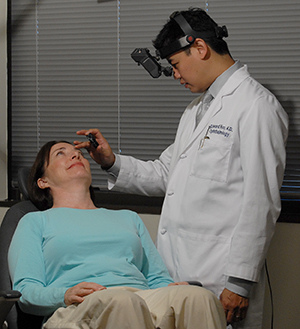
If iritis is treated right away, it likely won't cause any other problems. But in some cases, it can cause complications. Your risk for these varies depending on your age, your health, and the cause of your iritis. Possible complications include:
-
Glaucoma, from increased pressure inside the eye
-
Iris sticking to other parts of the eye (synechiae)
-
Clouding of the lens (cataract)
-
Inflammation of the fluid in the back part of the eye (vitreous)
-
Inflammation or detachment of the retina
-
Buildup of fluid in the macula, the part of the retina responsible for central vision (cystoid macular edema)
-
Calcium deposits on the cornea (band keratopathy)
-
Optic nerve damage
-
Corneal scar (keratouveitis)
-
Crossed eyes (strabismus)
If severe, problems like these can cause partial or total loss of eyesight. Your eye care provider will try to prevent these problems by treating your iritis right away. You may need to take medicine often to reduce the inflammation in your eye.
You may need medicine or surgery to treat some problems. For example, medicine may be given to treat glaucoma. Or you may need surgery to remove a cataract or replace part of your cornea.
If you’re at risk for iritis
Often, there isn't 1clear factor that can be found as the cause of iritis. In most cases, the cause is unknown. But some health problems can raise your risk for iritis. These include:
-
Injury like blunt trauma
-
Infection
-
Autoimmune diseases, such as ankylosing spondylitis, inflammatory bowel disease, juvenile idiopathic arthritis, psoriatic arthritis, nephritis, and reactive arthritis
If you have an autoimmune disease, take your medicines as prescribed. This may help to prevent iritis. You may reduce your chances of complications if you see your eye care provider when symptoms start. Make sure to keep any follow-up visits. These are to make sure your iritis responds to treatment.
If you have certain health conditions, you may need regular eye exams to check for early signs of iritis. Keep all your appointments. This may help prevent complications.
When to call the healthcare provider
Call your healthcare provider right away if you have any of these:
-
Eye pain
-
Eyesight gets worse
-
Symptoms that get worse or don’t get better with treatment
-
New symptoms
Online Medical Reviewer: Heather M Trevino BSN RNC
Online Medical Reviewer: Vinita Wadhawan Researcher
Online Medical Reviewer: Whitney Seltman MD
Date Last Reviewed: 10/01/2024
© 2000-2026 The StayWell Company, LLC. All rights reserved. This information is not intended as a substitute for professional medical care. Always follow your healthcare professional's instructions.


