Strabismus and amblyopia are common vision problems in children. If not treated, these problems can permanently affect your child's sight. Your child won't outgrow strabismus or amblyopia. But both can be treated. Early eye exams and the right treatment now can improve your child's vision for life.
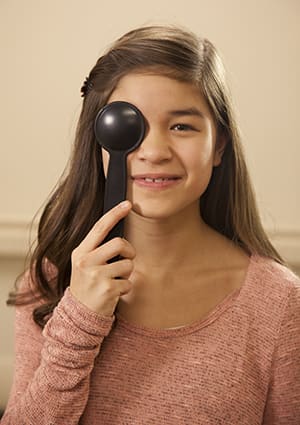
Strabismus
Strabismus happens when a child's eyes aren't straight (aligned). This means the eye muscles don't work well together. This can prevent normal vision from developing. If not treated, strabismus may lead to amblyopia.
Amblyopia
Amblyopia is poor vision because an otherwise normal eye isn't being fully used. If not treated early, amblyopia may keep a child from developing normal vision.
What can be done?
When treated at a young age, a child with strabismus or amblyopia has a good chance of overcoming these problems. But it's vital to get treatment while the eyes are still developing. By seeking treatment, you can increase your child's chances of success.
Your role. Your child's vision will improve only with your help. Take your child to visit the eye doctor as scheduled. Be sure to follow the eye doctor's instructions and try to make treatment fun for your child. In an age-appropriate manner, explain the purpose and the goal of the medical visit to your child. When your child is old enough, encourage them to write down questions. Give your child time to ask these questions during the visit. Talk with the eye doctor about any concerns that you or your child have.
The eye doctor's role. After doing a full eye exam, the eye doctor will explain your child's vision problems and advise the best course of treatment. At follow-up visits, the eye doctor will see how well treatment is working. As your child's vision improves, new treatments will be suggested as needed.
Which terms to use
You may have heard terms such as lazy eye, squint, and wandering eye used to describe strabismus and amblyopia. These terms are unclear. And they don`t take into account how serious strabismus and amblyopia are. It's best to learn the correct names for your child`s vision problems and to use the correct terms with your child, your family, and your child's teachers.
Featured in
Online Medical Reviewer: Chris Haupert MD
Online Medical Reviewer: Raymond Kent Turley BSN MSN RN
Online Medical Reviewer: Rita Sather RN
Date Last Reviewed: 09/01/2025
© 2000-2026 The StayWell Company, LLC. All rights reserved. This information is not intended as a substitute for professional medical care. Always follow your healthcare professional's instructions.


