You can control your cholesterol through diet, exercise, weight management, quitting smoking, and stress management as directed by your health care provider. These things can also lower your risk for heart and vascular disease.
Eating healthy
Your health care provider will give you information on diet changes you may need to make. Your provider may recommend that you see a registered dietitian for help with diet changes. Changes may include:
-
Cutting back on the amount of fat and cholesterol in your meals.
-
Eating less salt (sodium). This is especially important if you also have high blood pressure. Don’t add salt to your food at the table. Season foods with herbs instead of salt when you cook.
-
Eating more fresh vegetables and fruits.
-
Eating lean proteins, such as fish, poultry, beans, and peas. Eat fish and poultry without the skin.
-
Eating less red meat and processed meats.
-
Using low-fat dairy products.
-
Using vegetable and nut oils in limited amounts.
-
Limiting how many sweets and processed foods that you eat, like chips, cookies, and baked goods.
-
Limiting how many sugar-sweetened beverages you drink.
-
Limiting how often you eat out.
-
Limiting alcohol.
Getting exercise
Regular exercise is a good way to help your body control cholesterol. Regular exercise can help in many ways, including:
-
Giving more oxygen to your muscles and tissues.
-
Helping you manage your weight.
-
Helping your heart pump better.
-
Lowering your blood pressure.
-
Reducing stress and anxiety.
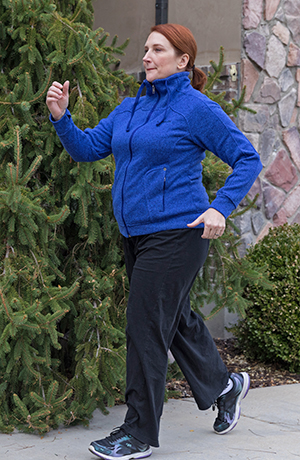
Your health care provider may recommend that you get more physical activity if you haven't been active. Experts recommend at least 2 ½ hours of moderate intensity exercise each week for substantial health benefits. You may split up the exercise throughout the week. For example, you can do 30 minutes, 5 days a week. Start at a level where you feel comfortable. Increase your time and pace a little each week. A few examples of moderate to vigorous activity include:
-
Walking at a brisk pace. This is about 3 to 4 miles per hour.
-
Jogging or running.
-
Swimming or water aerobics.
-
Hiking.
-
Dancing.
-
Martial arts.
-
Tennis.
-
Riding a bicycle or stationary bike.
Managing your weight
If you are overweight or obese, your health care provider will work with you to help you lose weight and lower your BMI (body mass index). Making diet changes and getting more physical activity can help. Changing your diet will help you lose weight more easily than adding exercise.
Quitting smoking
Smoking, vaping, and other tobacco use can raise cholesterol and make it harder to control. Quitting is tough. But many people have given up tobacco for good. You can quit, too! Think about some of the reasons below to quit smoking. Do any of them make you think twice about your smoking habit?
Stop smoking because it:
-
Keeps your cholesterol high, even if you make all the other changes you’re supposed to.
-
Damages your body. It especially harms your heart, lungs, skin, and blood vessels.
-
Makes you more likely to have a heart attack (acute myocardial infarction), stroke, or cancer.
-
Stains your teeth.
-
Makes your skin, clothes, and breath smell bad.
-
Costs a lot of money.
Ask your health care provider for medicines or nicotine replacement products to help you quit.
Controlling stress
Learn ways to control stress. Practice relaxation methods like meditation, progressive muscle relaxation, and biofeedback. This will help you deal with stress in your home and work life. Controlling stress can greatly lower your risk of getting cardiovascular disease.
Online Medical Reviewer: Stacey Wojcik MBA BSN RN
Online Medical Reviewer: Terri Koson DNP RN ACNP
Online Medical Reviewer: Vinita Wadhawan Researcher
Date Last Reviewed: 01/01/2025
© 2000-2026 The StayWell Company, LLC. All rights reserved. This information is not intended as a substitute for professional medical care. Always follow your healthcare professional's instructions.


