Rejection can happen after a heart transplant. It is a normal reaction that can happen days, weeks, or even years after surgery. The immune system attacks the new heart because it recognizes that it is from a different person. Medicine can help prevent this, but rejection can still happen.
Types of treatment
Treatment depends on:
-
How bad the rejection is
-
Your symptoms
-
The medicines you take now
-
The type of rejection
Some treatment choices include:
-
Taking more of your anti-rejection medicine
-
Taking anti-rejection medicine more often
-
Changing to a different medicine
-
Taking other medicines that weaken your immune system, like prednisone
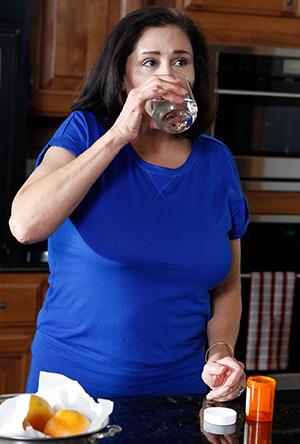
In severe cases, medicine may be given through an IV.
Other treatments may include:
-
Plasmapheresis. This removes harmful antibodies from your blood that may cause rejection.
-
Photophoresis. This uses UV light to weaken cells that attack your new heart.
-
Lymphoid irradiation. This uses radiation to damage the lymph nodes that make an immune response.
-
Heart failure medicines. If your new heart is not working well, you may need medicines like beta-blockers.
After treatment, your care team will watch you closely. You may need tests to see if the treatment is working.
While taking anti-rejection medicine
Anti-rejection medicines can suppress your immune system. This makes it easier to get sick. You may need to take antibiotic and antiviral medicines. These help protect you from infections. They do not treat rejection.
Possible complications of rejection
In rare cases, heart transplant rejection can cause problems such as:
-
Heart failure
-
Irregular heartbeat, which can cause sudden death
-
Heart attack
Preventing problems
Here are ways you can help reduce your risk of rejection and problems related to it:
-
Take all your medicines as advised by your doctor.
-
Don't run out of medicine.
-
Check your weight, blood pressure, and temperature as advised by your doctor.
-
Make sure to go to all your doctor's appointments.
-
Get your blood tests and other tests done on time.
-
Talk with your transplant team about your test results.
-
Eat heart-healthy foods and stay active.
-
Don’t use tobacco products.
-
Don’t drink too much alcohol.
-
Call your transplant team right away if you have signs of rejection.
Living with a heart transplant
Your doctor will tell you how to care for your transplant. This includes:
-
Eating heart-healthy foods and staying active.
-
Staying away from tobacco products, drugs, and too much alcohol.
-
Staying at a healthy weight.
-
Taking other medicines for your heart. For example, medicines to reduce cholesterol or lower blood pressure.
When to call your doctor
Call your doctor right away if:
-
You are feeling tired or weak
-
You have fever or chills
-
You have trouble breathing
-
Your heartbeat is fast or irregular
-
Your blood pressure drops
-
You have swelling in your feet, hands, or ankles
-
You gain weight suddenly
-
You feel body aches, like the flu
-
You pee less than usual
-
You feel dizzy or faint
-
You feel sick to your stomach or don’t want to eat
Online Medical Reviewer: Heather M Trevino BSN RNC
Online Medical Reviewer: Stacey Wojcik MBA BSN RN
Online Medical Reviewer: Steven Kang MD
Date Last Reviewed: 08/01/2024
© 2000-2026 The StayWell Company, LLC. All rights reserved. This information is not intended as a substitute for professional medical care. Always follow your healthcare professional's instructions.


