Sepsis is a very serious condition. It happens when your body responds with widespread inflammation to a severe infection, usually caused by bacteria. Sometimes it may be caused by a virus. Sepsis can be deadly. Blood pressure may drop. The lungs, liver, and kidneys may start to fail. Sepsis is a medical emergency. If someone has symptoms of sepsis, call 911 right away.
Risk factors
Those most at risk for sepsis are:
- Infants or older adults.
- People who have an illness that makes their immune system weak, such as cancer, AIDS, or diabetes.
- People being treated with chemotherapy medicines, high-dose steroids, or radiation, which make the immune system weak.
- People who have had an organ transplant.
- People with long-term (chronic) lung, kidney, liver, or heart disease.
- People with a very severe infection, such as pneumonia, meningitis, or a urinary tract infection.
When to call 911
Sepsis is a medical emergency. Call 911 right away if you have a fever with any of these symptoms:
- Chills and shaking
- Fast heartbeat and breathing
- Trouble breathing
- Severe nausea or uncontrolled vomiting
- Confusion, disorientation, drowsiness, or dizziness
- Decreased urination
- Severe pain, including in the back or joints
What to expect in the emergency room
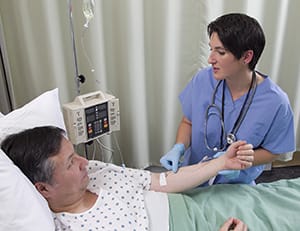
- Blood and urine tests are done to look for bacteria. They also check for organ failure.
- Blood, urine, or sputum cultures may be taken. The samples are sent to a lab. They are placed in a special container. Any bacteria should grow in 24 to 48 hours.
- X-rays or other imaging tests may be done.
A person with sepsis will be admitted to the hospital and treated with antibiotics. Treatment will also include oxygen and IV (intravenous) fluids and other medicines as needed. The person will be watched very closely, usually in the intensive care unit (ICU).
Online Medical Reviewer: L Renee Watson MSN RN
Online Medical Reviewer: Rita Sather RN
Online Medical Reviewer: Sabrina Felson MD
Date Last Reviewed: 09/01/2025
© 2000-2026 The StayWell Company, LLC. All rights reserved. This information is not intended as a substitute for professional medical care. Always follow your healthcare professional's instructions.


