Dismiss Modal

Prevention

HIV Post-Exposure Prophylaxis: PEP: General Info

Choose a preferred language

HIV (human immunodeficiency virus) is a virus that attacks the immune system. You can get HIV during sex
(vaginal, anal, or oral sex) with someone who has it. You can get it if you're sexually assaulted. You can
also get it if you share a needle, a syringe, or other drug equipment.

../images/2577fe0f9a4e12e5c3ccbb04d0309370.jpg

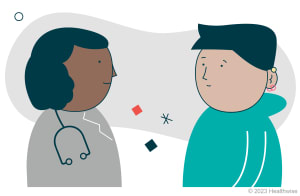
If you think you may have been exposed to HIV, see a doctor right away. There is treatment that can
help.

../images/a65dfd9859445864cf811e78996c90a1.jpg

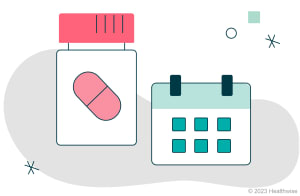
The treatment is called post-exposure prophylaxis (PEP). It's medicine that can help prevent you from
getting HIV.

How is it given?

Your doctor will start you on PEP.

../images/381dafd9f36df45dc941055538d93418.jpg

Start PEP as soon as possible. Every hour counts. It must be started
within 3 days (72 hours) after you were exposed to HIV.

../images/f653a7c1d3f752e31768b6026bd71703.jpg

Take your medicines exactly as prescribed. PEP treatment lasts 28
days.

../images/d25810749e5e128e7f96608d748b7d38.jpg

Follow up with your doctor. You'll need an HIV test at the start and
at the end of treatment.

../images/bf453d979a368413848f62cbfd8ab677.jpg

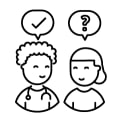
Talk to your doctor about other tests. The doctor might recommend
things like testing you for hepatitis or other infections. And you may get a pregnancy test.

../images/5bd360bdf08e693e5edbcccb86ad9db7.jpg

Ask your doctor about PrEP (pre-exposure prophylaxis). If you're
sometimes at risk of being infected with HIV, talk to your doctor about taking medicines that may
lower your risk.

Current as of: June 12, 2023

Content Version: 14.0

Care instructions adapted under license by your
healthcare professional. If you have questions about a medical condition or this instruction, always ask
your healthcare professional. Healthwise, Incorporated disclaims any warranty or liability for your use of
this information.


© 2006-2025 Healthwise, Incorporated.

Make an Appointment

Make an Appointment

Find a Doctor

Find a Doctor

Find a Location

Find a Location
Related Articles
Read article
Infectious Diseases
Hepatitis A Vaccine: What You Need to Know

Hepatitis A vaccine can prevent hepatitis A. Hepatitis A is a serious liver disease.

Read article
Infectious Diseases
Hepatitis B Vaccine: What You Need to Know

Hepatitis B vaccine can prevent hepatitis B. Hepatitis B is a liver disease that can cause mild illness lasting a few weeks, or it can lead to a serious, lifelong illness.

Read article
Infectious Diseases
How to Prevent the Spread of Tuberculosis

Tuberculosis (TB) is a disease caused by a bacteria. It's spread from person to person through the air. Read about how to help prevent TB from spreading.

Read article
Infectious Diseases
Pneumococcal Polysaccharide Vaccine (PPSV23): What You Need to Know

Pneumococcal polysaccharide vaccine (PPSV23) can prevent pneumococcal disease. Pneumococcal disease refers to any illness caused by pneumococcal bacteria. These bacteria can cause many types of illnesses, including pneumonia, which is an infection of the lungs.