Chronic obstructive pulmonary disease (COPD) includes chronic lung diseases, chronic bronchitis, and emphysema. Other chronic lung diseases include pulmonary fibrosis or sarcoidosis. If you have any of these conditions, you may have trouble sleeping. You may wake up often at night. Or you may not feel rested in the morning. There are many reasons you may not get a good night’s sleep. Lung disease can make it harder to breathe at night. Other things can affect sleep. These include age, certain medicines, and not getting enough activity during the day.
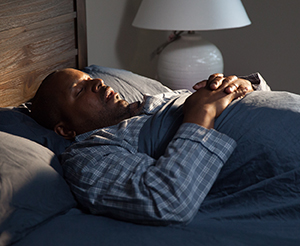
Sleeping better
If you’re having trouble sleeping, try the following:
-
Use a breathing method. Taking slow, deep breaths can help you relax and fall asleep.
-
Ask your healthcare provider to show you how to do pursed-lip and diaphragmatic breathing. Both methods are good for people with lung disease.
-
-
Don’t have caffeine in the afternoon or evening.
-
Exercise during the day. This can help you fall asleep better at night. Talk with your provider about exercises that are safe for you.
-
Try to go to sleep and wake up at about the same time every day. This will help your body get into a pattern.
-
Don't take long naps during the day. This can make it harder to sleep at night. A very short nap of less than 30 minutes should be OK.
-
Make your bed and bedroom comfortable. Keep your bedroom quiet, dark, and at a comfortable temperature.
-
Don't watch TV or use your computer or phone in bed. Only use your bed for sleep and sex.
-
Stop using electronics (including phone, TV, and computer) at least 30 minutes before sleeping.
-
Talk with your provider about any medicines you take at bedtime. They may be keeping you awake, and you may be able to take the medicine at a different time.
-
Talk with your healthcare provider about trying cognitive behavioral therapy. It works by changing behavior.
-
In some cases, prescription or over-the-counter medicines may help you sleep better for a short time. Talk with your healthcare provider before using these.
CPAP and BiPAP
To help you breathe at night, your provider may prescribe CPAP or BiPAP. You may be given a CPAP (continuous positive airway pressure) device. Or you may be given a BiPAP (bi-level positive airway pressure) device. These devices send a gentle flow of air through a face mask or nasal mask while you sleep. This air goes through your nose and into your lungs. Your airways stay open. Below are tips for using these devices:
-
It may take some time to get used to the device. Ask your provider how to make it more comfortable.
-
If your mask doesn’t fit or feel right, talk with your provider about adjusting it. You may also try a different mask. Custom-made masks are also available.
-
These devices work best if your nose is clear. If you have allergies or other problems that block your nose, talk with your provider.
Online Medical Reviewer: Callie Tayrien RN MSN
Online Medical Reviewer: Deborah Pedersen MD
Online Medical Reviewer: Jessica Gotwals BSN MPH
Date Last Reviewed: 09/01/2024
© 2000-2026 The StayWell Company, LLC. All rights reserved. This information is not intended as a substitute for professional medical care. Always follow your healthcare professional's instructions.


