If you have a chronic health condition, you have a problem that may not go away over time. Heart disease, asthma, arthritis, and diabetes are just a few of the chronic conditions that exist. While your condition may not have a cure, you can take an active role in managing your health.
Coping with your diagnosis
If you've just learned about your health condition, you may be angry, depressed, or afraid. Or you might feel relieved just to know what's wrong. Even if you've known about your health problem for a while, adjusting to it can be hard. But learning about your condition can help you cope. Look for accurate and up-to-date books at your local library or online. Ask your doctor for online resources that provide the most accurate, up-to-date information. Or contact a well-respected group that focuses on your problem.
Accepting change
Change is hard for most people. Yet right now you may be facing many changes. What you eat or the way you work may change. Your moods and even your symptoms might vary from day to day. It isn’t easy. But learning to accept change can help you feel more in control.
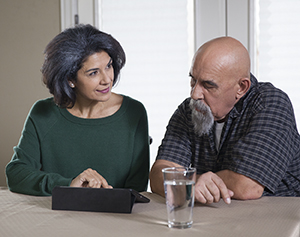
Think about asking your family and trusted friends for support. Remember that they may not know much about your condition. They may need information to understand what you are going through. The more they understand, the more they will be able to support you.
Taking control
Feeling you have control can make living with your condition easier. Discuss treatment choices with your doctor. The more you know, the more active you can be in your care.
Some people with serious chronic illnesses have found coping strategies helpful:
-
Write down all your questions and take them to your doctor to discuss. Consider bringing a trusted friend or family member to the appointments.
-
Ask your doctor what steps you can take to improve your health.
-
Try to manage the parts of your life that are within your control. For example, choose to eat healthy meals, exercise as you're able, take medicines as prescribed, and spend less time with people who aren't supportive.
Moving forward
You may wonder if you will be able to do the things you've always done. That depends on your age, the condition you have, and your goals. To make the most of each day, try to build caring relationships, be active, eat right, and limit weight gain. Also, don't smoke or drink too much alcohol. Think about getting counseling if you have trouble coping with the diagnosis and have increased feelings of sadness or frustration. It may be hard at times. But do your best to keep a sense of humor.
Online Medical Reviewer: L Renee Watson MSN RN
Online Medical Reviewer: Marianne Fraser MSN RN
Online Medical Reviewer: Paul Ballas MD
Date Last Reviewed: 06/01/2025
© 2000-2026 The StayWell Company, LLC. All rights reserved. This information is not intended as a substitute for professional medical care. Always follow your healthcare professional's instructions.


