Depression and bipolar disorder are two common mood disorders. Bipolar disorder is also called manic depression. These illnesses are often treated with medicines and therapy. Your health care provider can tell you more about treatments that can help you. A hospital or mental health clinic can also provide help. Mood disorders affect both you and your family. Support and resources for family members are important in the long-term management of these illnesses.
Treatments for depression
Depression causes you to feel sad, worthless, helpless, or hopeless. You may lose interest in things you used to enjoy. Treatment includes medicines and talk therapy. Antidepressant medicines change levels of brain chemicals to help you feel better. It's important to use only the medicine and dose prescribed for you. Don't take someone else's medicine. Don't share your prescription with others.
Don’t stop medicines suddenly. Medicines usually need to be stopped over a period of time. This is to prevent symptoms from getting worse. It is also to protect you from possibly dangerous withdrawal effects. If you believe that your medicine isn't working, talk with your provider. You may need a different medicine or a combination of medicines.
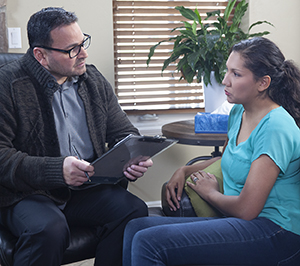
Talk therapy is speaking with a trained counselor about your thoughts. Most people with depression do best with both medicine and talk therapy. Virtual mental health counseling, or telehealth care, may also be a good option for people who prefer not to have in-person therapy. Your health care provider may suggest electroconvulsive therapy (ECT) if these treatments don't work. This uses electric impulses to ease depression.
There are different types of depression. Treatment depends on the type of depression you have and how severe it is. In some cases, treatment may be short-term (6 months or less). In other cases, you may need medicines on a long-term basis.
Treatments for bipolar disorder
People with bipolar disorder have intense mood swings. They move between deep sadness and out-of-control highs. Bipolar disorder is a serious, complex, chronic illness. Like diabetes or heart disease, it needs to be managed for the rest of your life. This condition is treated with medicines such as lithium. They help even out moods and prevent mood swings. Regular blood tests make sure that your medicine is at a safe level that still works.
Just as for depression, don’t stop these medicines suddenly. Medicines usually need to be stopped over a period of time. This is to prevent symptoms from getting worse. It is also to protect you from possibly dangerous withdrawal effects.
Talk therapy can also help. Talking to a trained counselor about feelings and relationships can help you handle tough times. Counselors can help identify triggers. They can give you ways to cope with your symptoms. For people who don't like in-person counseling, telehealth services, which provide virtual mental health care, may be a good option.
To learn more
The sources below can tell you more. They can also give names of clinics near you that offer treatment and free screenings.
-
Depression and Bipolar Support Alliance at www.dbsalliance.org or 800-826-3632
-
International Foundation for Research and Education on Depression at www.ifred.org
-
National Alliance on Mental Illness (NAMI) at www.nami.org or 800-950-NAMI (800-950-6264)
-
National Institute of Mental Health at www.nimh.nih.gov or 866-615-6464
-
National Suicide Prevention Lifeline at https://988lifeline.org or call 988 or 800-273-TALK (800-273-8255). This resource is open 24 hours a day, 7 days a week. They can provide crisis intervention right away. They can also give you information on local resources. It is free and confidential.
Online Medical Reviewer: Marianne Fraser MSN RN
Online Medical Reviewer: Paul Ballas MD
Online Medical Reviewer: Rita Sather RN
Date Last Reviewed: 02/01/2025
© 2000-2026 The StayWell Company, LLC. All rights reserved. This information is not intended as a substitute for professional medical care. Always follow your healthcare professional's instructions.


