Almost everyone gets nervous now and then. It’s normal to have knots in your stomach before a test. Or for your heart to beat fast on a first date. But an anxiety disorder is much more than a simple case of nerves. In fact, its symptoms may be overwhelming. But treatment can ease many of these symptoms. Talking with your doctor is the first step.
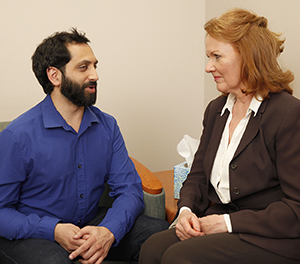
What are anxiety disorders?
An anxiety disorder causes very strong feelings of panic and fear. These feelings may occur for no clear reason. And they tend to happen again and again. They may prevent you from coping with life. They may cause you great distress. You may then stay away from anything that sets off your fear. In extreme cases, you may never leave the house. Anxiety disorders may cause other symptoms, such as:
-
Obsessive thoughts that are unwanted and you can’t control.
-
Constant nightmares or painful thoughts of the past.
-
Upset stomach, sweating, and muscle tension.
-
Trouble sleeping.
-
Trouble concentrating or making decisions.
What causes anxiety disorders?
Anxiety disorders tend to run in families. For some people, childhood abuse or neglect may play a role. For others, stressful life events or trauma may set off these disorders. Anxiety can trigger low self-esteem and poor coping skills.
Types of anxiety disorders
-
Panic disorder. This causes a very strong fear of being in danger.
-
Phobias. These are extreme fears of certain things, places, or events.
-
Obsessive-compulsive disorder (OCD). This makes you have unwanted thoughts and urges. You also may do certain things over and over.
-
Posttraumatic stress disorder (PTSD). This occurs in people who have been through a terrible ordeal. It can cause nightmares and flashbacks about the event.
-
Generalized anxiety disorder. This causes constant worry. It can greatly disrupt your life.
Getting better
You may believe that nothing can help you. Or you might fear what others may think. But most anxiety symptoms can be eased with treatment. Having an anxiety disorder is nothing to be ashamed of. Most people do best with treatment that combines medicine and individual and group therapy. These aren’t cures. But they can help you live a healthier life.
How daily issues affect your health
Many things in your daily life impact your health. This can include transportation, money problems, housing, access to food, and childcare. If you can’t get to medical appointments, you may not receive the care you need. When money is tight, it may be difficult to pay for medicines. And living far from a grocery store can make it hard to buy healthy food.
If you have concerns in any of these or other areas, talk with your care team. They may know of local resources to assist you. Or they may have a staff person who can help.
Online Medical Reviewer: Daphne Pierce-Smith RN MSN
Online Medical Reviewer: Michelle Anderson DNP
Date Last Reviewed: 06/01/2025
© 2000-2026 The StayWell Company, LLC. All rights reserved. This information is not intended as a substitute for professional medical care. Always follow your healthcare professional's instructions.


