What is cancer?
We've all heard of cancer at some point in our lives—cancer screenings, cancer care, and maybe even cancer treatment. But what is cancer? And what steps can you take to prevent it?
Cancer is a disease that begins when some cells in your body grow out of control. All cells grow and divide. But cancer cells grow even though your body doesn't need them. And sometimes, cancer cells spread throughout the body in a process known as metastasis.
There is no one symptom of cancer. In fact, it can have many different symptoms depending on the type of cancer it is and where it is in your body. But there are many ways to find cancer early and treat it.
What is cervical cancer?
Cancer that starts in cells of the cervix is called cervical cancer.
Understanding the cervix
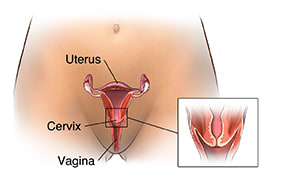
The cervix is the lower, narrow part of the uterus. It connects the uterus to the vagina, which leads to the outside of the body. It's between the bladder and the rectum. The cervix tightens and loosens to let fluids pass between the uterus and vagina. It's also important to menstruation, pregnancy, and childbirth.
Looking for precancer
When cancer starts in cervical cells, it is called cervical cancer. If you are younger than age 50, you may be at a higher risk. But there are tests that can screen for signs of cervical cancer before it develops. For example, the Pap test checks if the cells in your cervix are growing normally.
When you get a Pap test, a small brush is used to gently remove some cells from your cervix. These cells are looked at under a microscope to see if they are normal. If cells are found that look different from other cells, your doctor will let you know. They may call these cells precancer, which means they are cells that could become cancer. Your doctor can also recommend ways to make sure these cells do not turn into cancer.
Types of precancer
A Pap test can help find precancer cells. There are several names for these types of precancer, including:
- Squamous intraepithelial lesion (SIL).
- Dysplasia.
- Cervical intraepithelial neoplasia (CIN).
SIL is divided into 2 types:
- Low-grade SIL. This refers to early changes in the size, shape, and number of cells on the surface of the cervix. The changes may go away on their own. Or they may grow larger or become more abnormal over time. Your doctor may call these changes mild dysplasia or CIN 1.
- High-grade SIL. This means there are many changed cells that are precancer cells. These changes only happen in cells on the surface of the cervix. It can take a long time for these cells to become cancer. But without treatment, they will likely become cancer. High-grade SIL may also be called moderate or severe dysplasia, CIN 2 or 3, or carcinoma in situ.
It's important to find and treat abnormal cells on the surface of the cervix as soon as possible. Otherwise, they can spread deeper into the cervix or to other areas of the body. When this happens, it's called cervical cancer, or invasive cervical cancer. The main types of cervical cancer are squamous cell carcinoma (most cases are this) and adenocarcinoma.
Preventing cervical cancer
There are 2 ways to prevent cervical cancer:
- Get regular Pap tests. These tests find precancer cells as soon as possible, before they can change into cancer.
- Put a stop to precancer cells. You can do this by preventing infection with the human papillomavirus (HPV), getting an HPV vaccine, and not smoking.
Talk with your doctor
If you have questions about cervical cancer, cervical cancer screening, or ways to prevent cervical cancer, talk with your doctor. They can help you understand more about this cancer.
Featured in



