A cone biopsy is a quick outpatient surgery used to find and treat a problem in the cervix. Your healthcare provider may do a cone biopsy if one or more Pap tests and a microscope (colposcopy) exam showed abnormal cells on your cervix. A cone biopsy takes less than an hour, and you’ll be able to go home the same day.
During your recovery
After the surgery has been done, you’ll rest in the recovery area until you’re awake and ready to go home. An adult friend or family member will need to drive you home.
-
Plan to rest at home for a day or two.
-
Avoid any heavy lifting, straining, and exercising until your healthcare provider says it's OK.
-
You may have minimal bleeding or discharge and mild cramping for a few days after surgery. Use sanitary pads, not tampons, for at least the first month.
-
You may be given medicine to relieve any mild pain.
-
Don't have sex or douche for
4 to 6 weeks after your biopsy. If the cervix has not fully healed, the tissue could be injured and then bleed. -
Follow any other instructions your healthcare provider gives you.
Getting your results
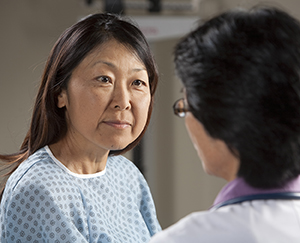
Your healthcare provider will get the biopsy results and discuss them with you in about a week. They will see you in
When to call your healthcare provider
Call your healthcare provider if you have any of the following after your cone biopsy:
-
Heavy bleeding (more than a pad an hour) or blood clots
-
Severe stomach pain or cramping
-
Chills
-
Fever of
100.4 °F (38 °C) or higher, or as directed by your provider
Featured in
Online Medical Reviewer: Donna Freeborn PhD CNM FNP
Online Medical Reviewer: Heather Trevino
Online Medical Reviewer: Irina Burd MD PhD
Date Last Reviewed: 09/01/2025
© 2000-2026 The StayWell Company, LLC. All rights reserved. This information is not intended as a substitute for professional medical care. Always follow your healthcare professional's instructions.


