As soon as pelvic inflammatory disease (PID) has been diagnosed, it should be treated with antibiotics. Two or more types of antibiotics may be taken at the same time. This ensures that all the bacteria are killed. Take all of your medicine as prescribed, or the infection may not go away.
For mild cases
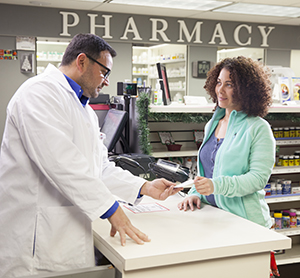
Mild cases of PID can be treated at home. Antibiotic pills will likely be prescribed. You may also get a shot of antibiotics.
For more serious cases
Severe cases of PID need to be treated in the hospital. There you will get antibiotics through an IV (intravenous) line. Your health will be closely watched. The length of your hospital stay depends on how sick you are. After you leave the hospital, antibiotic pills will likely be prescribed. If complications have occurred, you may need surgery to help treat them.
Make sure your partner gets treated
The bacteria that cause PID can also have harmful effects in males. Any partner you have had sex with in the past 60 days should be treated for chlamydia and gonorrhea. Your partner must be treated with antibiotics as well.
During treatment
Follow all your doctor’s instructions. This will help you heal. During treatment:
-
Finish all of your antibiotics, even if you start to feel better. If you don't, the infection might not go away. It could even get worse and get harder to treat.
-
Don’t have sex until both you and your partner have finished all of your antibiotics.
-
Ease pelvic pain with a heating pad, hot water bottle, or ice pack. Your doctor may also advise a prescription or over-the-counter pain medicine.
-
Ask your doctor if you should not drink alcohol, which can react with some antibiotics.
If you take birth control pills
When both you and your partner have finished your antibiotics, it’s okay to have sex. Use latex condoms to prevent future infections. Also, keep taking your birth control pills on schedule. Birth control pills help prevent pregnancy. But they don't protect against sexually transmitted infections (STIs).
If the infection returns
Even after treatment, PID can come back. This could happen if you’re infected by another STI. And once you’ve had PID, bacteria that are normally harmless may be more likely to infect your upper genital tract. This means you could get PID again even without getting another STI. With each PID infection, the chances of having more problems increase.
When to contact your doctor
While you’re being treated for PID, contact your doctor if you have:
-
A fever of
100.4 ° F (38 °C ) or higher, or as directed by your doctor. -
Pelvic or belly (abdominal) pain that gets worse.
-
Vomiting.
-
Shaking chills.
-
A rash.
-
Severe diarrhea.
Featured in
Online Medical Reviewer: Donna Freeborn PhD CNM FNP
Online Medical Reviewer: Heather M Trevino BSN RNC
Online Medical Reviewer: Howard Goodman MD
Date Last Reviewed: 07/01/2025
© 2000-2026 The StayWell Company, LLC. All rights reserved. This information is not intended as a substitute for professional medical care. Always follow your healthcare professional's instructions.


