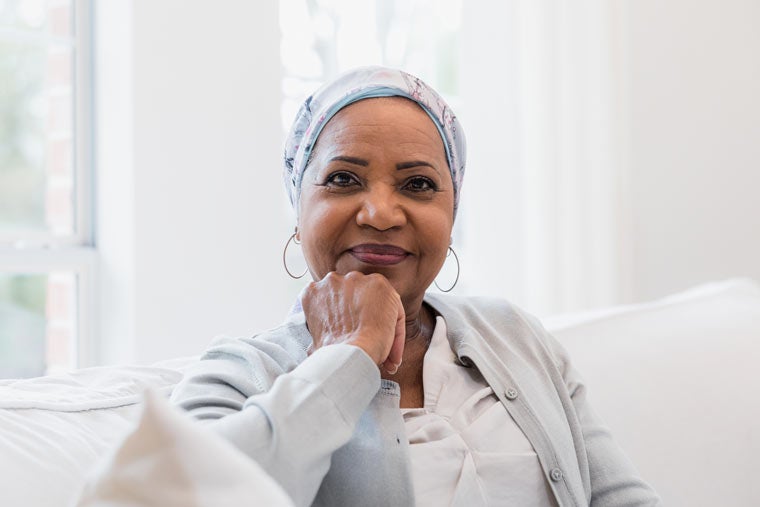
Cancer rehabilitation is a program that supports you when you're dealing with cancer. It's a program for during and after cancer treatment. It helps you work on your whole well-being. A team of doctors help you with a variety of challenges. They will help you learn how to feel and function better.
Goals of cancer rehabilitation
Cancer rehabilitation can help you with these:
- Managing side effects. Cancer treatment can cause physical challenges, such as pain, difficulty swallowing, weight loss, fatigue, swelling, and trouble thinking. Rehabilitation teaches you how to manage these. It can help you improve your daily life.
- Feeling better emotionally. Coping with cancer treatment can be tough. Counseling and support help you to feel better and deal with stress.
- Living a healthy life. You will learn ways to live a healthy life during and after treatment. It includes making good choices for your body and helping prevent the cancer from coming back.
- Getting stronger. Cancer treatment can make you feel weak and tired. Rehabilitation helps you get stronger so you stay as independent as possible.
What does cancer rehabilitation include?
Your program may include any of these:
- Physical therapy (PT). Physical therapists help you with strength and mobility. They give you exercises to do. They can help you manage pain.
- Occupational therapy (OT). Occupational therapists help you safely do daily activities. These include bathing, dressing, and cooking. They teach you new ways to do things. They suggest tools that make life easier.
- Speech and swallowing therapy. This is included if you had cancer in your head or neck. Speech therapists help you with speech and swallowing problems. They give you exercises and methods to improve.
- Lymphedema therapy. If lymph nodes were removed, you may have a lymphedema therapist. This person can help you reduce and manage swelling. This may be done with massage, compression, and exercises.
- Cognitive therapy. Cancer medicines can cause trouble with memory and thinking. Special psychologists can help you manage these issues.
- Nutrition help. A registered dietitian may work with you. They can help you meet your nutrition needs during and after treatment.
- Emotional support. Counselors, and recreational therapists can give support and teach you ways to cope with stress. They help you learn ways to feel better and more confident.
- Vocational counseling. This type of counselor can help you go back to work during or after cancer treatment.
Working with your health care team
Ask your health care team about a cancer rehabilitation program. It can help you feel and function better during your treatment and recovery. Remember, there are people ready to support you on your cancer journey.
Featured in
Date Last Reviewed: 12/01/2023
© 2026 The StayWell Company, LLC. All rights reserved. This information is not intended as a substitute for professional medical care. Always follow your healthcare provider's instructions.


