Poison oak, poison ivy, and poison sumac are plants that can cause allergic skin reactions. The plants contain a sap oil called urushiol. If you're allergic to urushiol, as most people are, touching one of these plants may cause your skin to react. Within hours or days, you may have a red, swollen, itchy rash and then blisters. Some people may have black or red spots or streaks.
Recognizing these plants
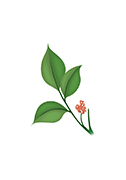
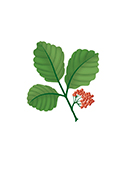
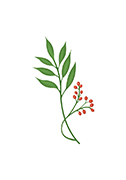
Knowing what poison oak, poison ivy, and poison sumac look like, and staying away from them, can help prevent a rash. They look like vines, small plants, and large bushes. In most cases, poison oak and poison ivy have 3 leaves per stem. Poison sumac has from 7 leaves to 13 leaves per stem. Watch out for these plants when you go to any outdoor area. Always be on the lookout no matter the season. Urushiol is present in these plants all year round. The oil is on the leaves, stems, and roots of these plants. The oil is there when the plant is live, dried up, or dead.
What causes a reaction?
Poison oak, poison ivy, and poison sumac thrive mainly in unmaintained outdoor areas. You may get a rash if you touch these plants. You may also react if you touch something that came in contact with urushiol. This may be a dog a cat, clothing, or equipment. Uroshiol on your skin or clothes can be passed on to another person. After washing the oil off your skin, the rash or fluids from the blisters won't pass to others.
Steps to prevention
When heading outdoors, take these steps:
-
Don't touch any of these plants.
-
Wear long pants and a long-sleeved shirt.
-
If you're going to a heavily wooded or brushy area, also put on gloves, a hat, and boots.
-
If you are very sensitive, apply an ivy blocker cream to all exposed areas of your skin. This over the counter medicine creates a layer of protection on your skin. It's used to prevent the rash. But it won't treat the rash once you have it.
-
If you come in contact with these plants or the oil, wash with soap and water as soon as possible.
-
Wash clothing and animals that come in contact with these plants. Urushiol may stay on them and cause a rash when you touch them in the future.
Online Medical Reviewer: Daphne Pierce-Smith RN MSN
Online Medical Reviewer: Rajadurai Samnishanth Researcher
Online Medical Reviewer: Rita Sather RN
Date Last Reviewed: 02/01/2025
© 2000-2026 The StayWell Company, LLC. All rights reserved. This information is not intended as a substitute for professional medical care. Always follow your healthcare professional's instructions.


