Exercise can help reduce pain. In some cases, exercise may help treat the problem that's causing the pain. Activity can improve your mood and your overall health. It can give you more energy, help you sleep, and help you control your weight.
Stick with it
At first, chronic pain may flare up during exercise. But as your body becomes stronger and more flexible with exercise, it will be better able to relax. This will help to relieve pain.
Exercise safely
-
See your health care provider first. Talk with them before you start an exercise program. They can tell you what kinds or amount of exercise is safe for you.
-
Work with a physical therapist if needed. Do this if you haven't exercised in a long time or have physical limitations. Your exercise program should be tailored for your own needs and abilities. A physical therapist can teach you stretches and exercises that fit your condition and fitness level.
-
Start slowly, and keep going. Slowly increase your exercise time and intensity. Exercise several times a week. Don't just do it on weekends.
Ways to exercise
-
Do stretching and range-of-motion exercises. These are good for helping painful muscles and joints.
-
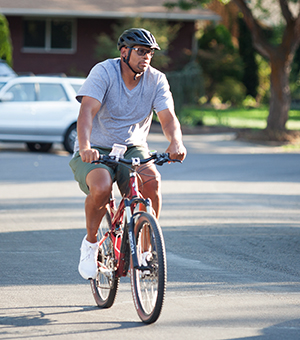
Choose low-impact forms of exercise. These include walking and biking. They also include swimming and other types of water exercise.
-
Don't do high-impact activities. These include jumping, running, and sudden starts, stops, or changes of direction.
-
Try strength training. Use light weights. Slowly increase the number of repetitions you do in a session.
Make a commitment
Work toward a goal of exercising at least 3 to 5 times a week for 30 minutes at a time. To help yourself work on this goal:
-
Choose activities you enjoy. Exercise with a friend or join a class.
-
Be more active in your daily life. Walk up the stairs instead of taking the elevator. Walk instead of driving to do errands. Park your car further from your destination.
-
Keep a packed gym bag with you so you're always ready. Keep exercise clothes and shoes handy at work or in your car.
-
Set small goals. Reward yourself when you meet them.
Safe exercise tips
-
Start each session with a "warm-up" of slow exercise. Work up to a brisk pace. Then, slow down to "cool down."
-
Expect some soreness at first. If you feel increased pain after exercise, stop and call your health care provider.
-
Use heat or ice as directed by your provider.



