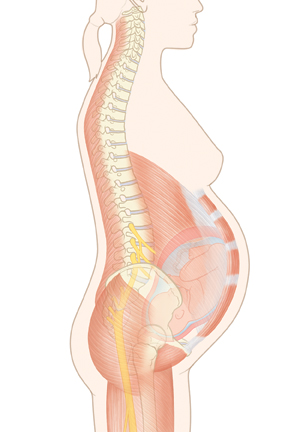
You are pregnant and are having symptoms that worry you. During pregnancy, it’s normal to have many kinds of symptoms. Here is a list of common symptoms that may happen during pregnancy.
Circulation changes
-
Bleeding gums
-
Headaches
-
Nosebleeds
-
Mild blurriness of vision, especially with contact lenses
-
Stuffy nose
-
Dizziness and fainting
-
Extra saliva
-
Skin color changes on your face
-
Stuffy nose
-
Swollen hands, legs, and feet
-
Swollen leg veins
Breast and skin changes
-
Darkening of nipples
-
Yellow or white discharge from the nipples
-
Sore breasts and nipples
-
Swollen breasts
-
Dry, itchy skin
-
Skin color changes on your face
Muscle and joint changes
-
Back, hip, or thigh pain
-
Leg cramps that come and go
-
Numbness and tingling in your hands and fingers
Urinary and bowel changes
-
Constipation
-
Feeling of pressure on your bladder and stomach
-
Need to pee often
-
Gas and bloating
-
Heartburn
-
Anal itching, swelling, and bleeding (hemorrhoids)
-
Leaking pee
-
Mild pressure or cramping in your belly
-
Nausea and vomiting throughout the day or night (morning sickness)
-
Swollen belly
-
Clear to white vaginal discharge
Mood and thinking changes
-
Forgetfulness
-
Less interest in sex
-
Mood swings
-
Tiredness
-
Trouble sleeping
Home care
Here is information that may help ease some common pregnancy symptoms.
Sore and swollen breasts
-
Wear a support bra that fits correctly.
Nausea and indigestion
-
Eat smaller meals or snacks more often.
-
Eat bland foods, such as bananas, crackers, or rice.
-
Stay away from spicy, fatty, or fried foods.
-
Stay away from alcohol, caffeine, and tobacco.
-
Don’t lie down right after eating.
-
Raise your head with pillows when you lie down.
-
Take foods or drinks that have ginger. If you drink ginger ale, make sure it has real ginger and not just ginger flavoring.
Leg swelling and varicose veins
-
Wear elastic support hose. Put your feet up as often as possible.
Constipation
-
Eat more fresh fruits and vegetables and more whole grains. Drink more clear liquids.
Joint and muscle pain
-
Don't do any heavy lifting.
-
Pick things up by bending at your knees, not at your waist.
-
Use acetaminophen for joint and muscle pain. Don't use aspirin, ibuprofen, or naproxen.
Mouth and nose dryness or bleeding
-
Drink more liquids. Use a vaporizer or humidifier in your bedroom.
Don’t take medicines or use remedies that your healthcare provider hasn’t approved. If you have symptoms that are severe or sudden, call your provider.
Call 911
Call
-
New chest, arm, shoulder, neck, or upper back pain
-
Trouble breathing
-
Severe belly pain or very heavy bleeding
-
Severe lightheadedness, passing out, or fainting
-
Fast heart rate
-
Confusion or trouble waking up
When to get medical care
Call your healthcare provider right away if any of these occur:
-
Burning feeling or pain when you pee
-
Depression or severe anxiety
-
Desire to eat or drink nonfood items, such as paper, dirt, or cleaning products
-
Diarrhea that lasts more than 24 hours
-
Fast heartbeat or heart palpitations
-
Fever of 100.4°F (38°C) or higher, or as advised by your provider
-
You can’t keep fluids down for 6 hours without vomiting
-
Severe or ongoing vomiting
-
Little or no pee
-
Major vision changes
-
Moderate or severe belly pain
-
Severe back pain
-
Severe constipation
-
Severe cramping or swelling in a leg, especially if it’s just on one side
-
Severe headache
-
Sudden swelling of your face, hands, feet, or ankles
-
Vaginal bleeding
-
Very itchy skin that doesn’t get better



